

- Published:
- Friday 8 May 2026 at 2:30 pm
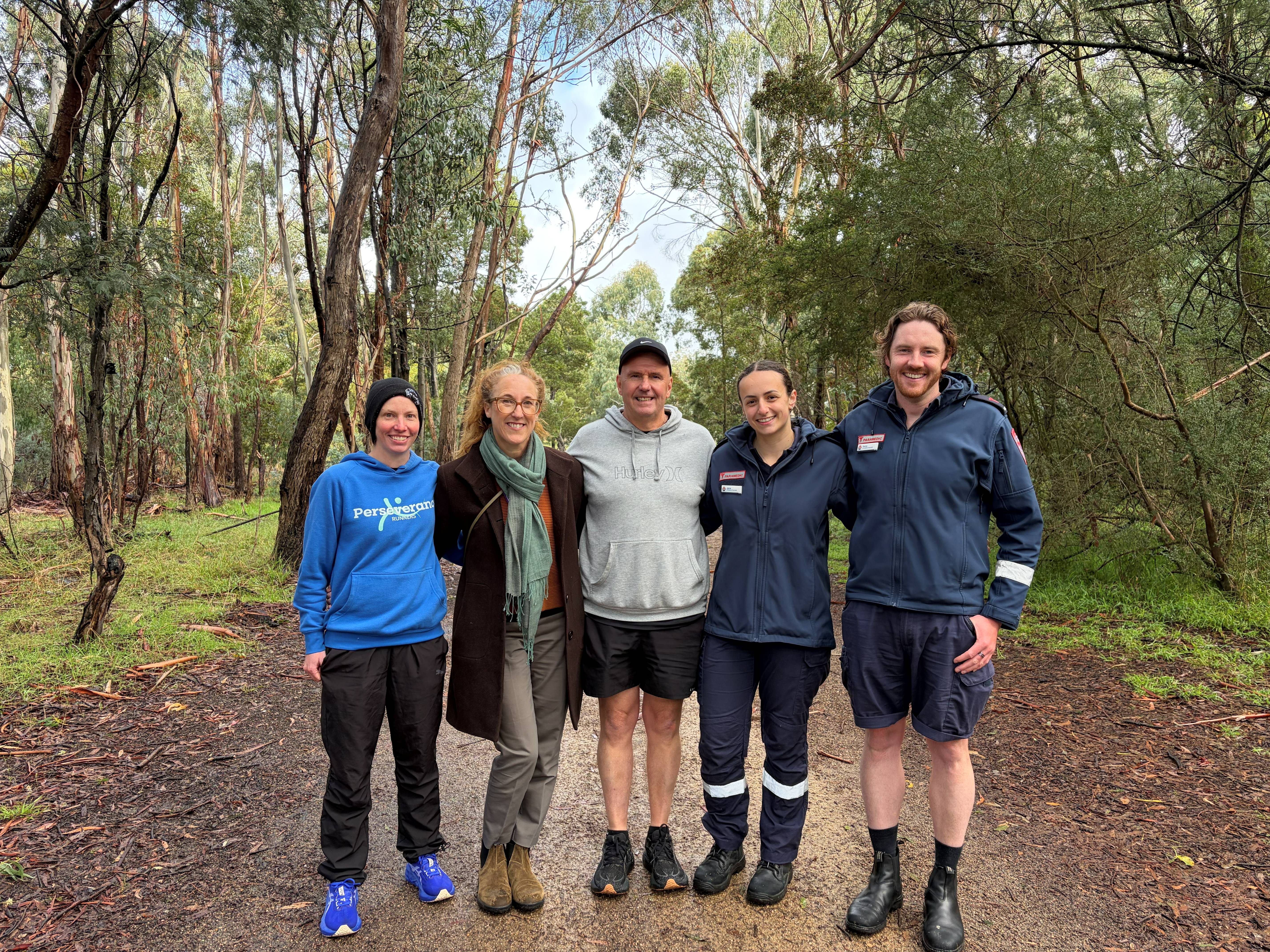
Karl Robson has plenty of kudos to give after the quick action of bystanders and Ambulance Victoria paramedics saved his life when he experienced a cardiac arrest at a parkrun near Ballarat.
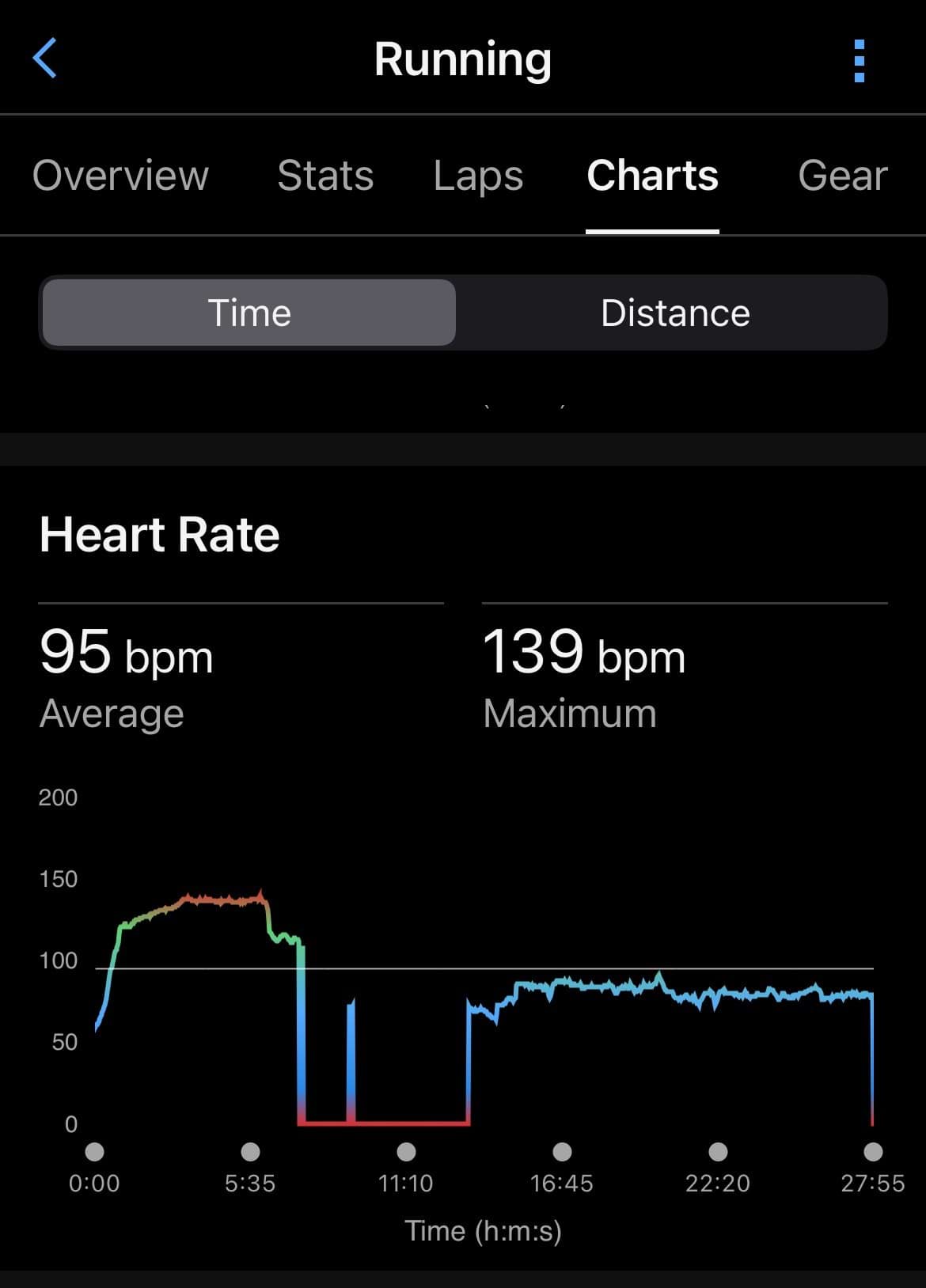
The 61-year-old, who has 19 marathons under his belt, was just over one kilometre into Wallaby Track parkrun when he pulled to the side of the course and collapsed, his heart stopped in cardiac arrest.
“I wasn’t pushing it on the day, I wasn’t setting out to do a fast time,” Karl said, showing his heart rate data from his running watch to prove it was an easy effort.
“I was feeling fine on that particular day. I remember getting to the spot where it happened and the guy next to me asking if I was ok. The next thing I remember is waking up on the ground with all these faces around me.”
One of those faces was Lindah Jury-Carter, a fellow parkrunner but also an emergency department nurse and registered GoodSAM responder, who began cardiopulmonary resuscitation (CPR) along with another runner.
Other runners and parkrun organisers called Triple Zero (000) and collected the event’s nearby automated external defibrillator (AED), delivering two shocks before Karl’s pulse returned.
“It was perfect place, perfect time for Karl because we immediately recognised what he needed, he had people right there to do high quality CPR and an AED was available immediately as well,” Lindah said.
“After Karl was loaded into the ambulance, I picked up my phone and saw all the GoodSAM alerts. Luckily, I was already there, but the experience has taught me to always have my phone on me so I can see GoodSAM alerts and go help when someone is in need.”
GoodSAM is a lifesaving smartphone app that connects Victorians in cardiac arrest with members of the community who are willing to start CPR in the critical minutes before paramedics arrive.
You don’t have to be first-aid qualified or have a medical background to sign up, you just need to be willing and able to do hands-only CPR, be over 18 years of age and have access to a smartphone.
When Ambulance Victoria Mobile Intensive Care Ambulance (MICA) and Advanced Life Support (ALS) paramedics arrived at the scene, Karl was awake and alert.
The immediate response from bystanders to Karl’s cardiac arrest and the speed with which the AED was applied meant his heart was back pumping on its own within 10 minutes, an incredible result that meant Karl didn’t realise anything serious had happened when he woke up.
“I tried to get up straight away but everyone told me to stay on the ground. I had no idea what had happened, I thought I must have fainted,” Karl said.
“I felt a bit embarrassed by all the attention because I thought I was ok and could have kept on going.”
When he heard bystanders explaining to the paramedics what had happened, he was overwhelmed with gratitude.
“I’m very thankful. A lot of people say I’m unlucky, but I say I’m lucky because I had such great people around me that immediately knew what to do and the defib close by. I was in the right place at the right time,” Karl said.
Ambulance Victoria paramedics assessed and monitored Karl as they transported him to hospital.
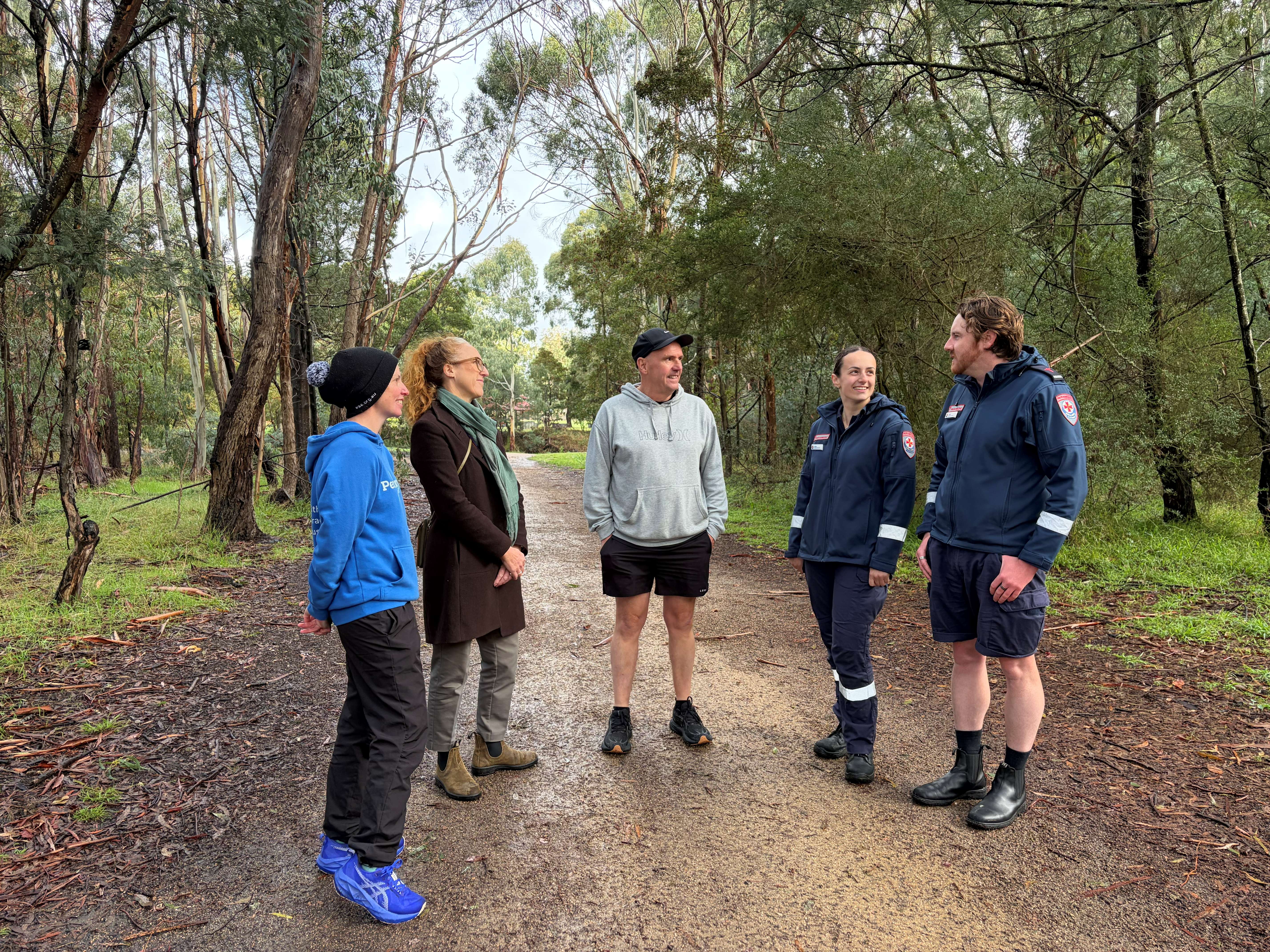
A bit over six months on, Karl is back running and back at work, making a full recovery.
The latest Ambulance Victoria data shows that when cardiac arrest patients are shocked by a public AED before paramedics arrive, an incredible 63 per cent survive.
More than ever before, the community is stepping in to help in cardiac arrest emergencies. Last financial year saw a record 152 cardiac arrest patients in Victoria receive a shock from a public AED.
“Bystander intervention has the greatest impact on improving someone’s chance of surviving a cardiac arrest because every minute matters,” Ambulance Victoria Acting Senior Team Manager Matt Norman said.
“While Karl was lucky to have trained nurses nearby, you don’t need a medical background to help save a life. Anyone can make a difference by following three simple steps: Call (call Triple Zero 000), Push (push hard and fast on the middle of the chest to give CPR), Shock (use an AED).”
Lindah encouraged all Victorians who know CPR to sign up as a GoodSAM responder.
“While I am a trained nurse, I’ve been a stay-at-home mum for four years, so I haven’t been actively working. Even then, my basic life support skills were enough to help save Karl’s life,” she said.
“Don’t feel afraid to register as a GoodSAM responder even if you think you might be out of practice.”
Glen Turner from parkrun Australia said the organisation is committed to ensuring all events nationwide are prepared in case of a cardiac arrest or medical emergency.
“Every Saturday morning, we see around 100,000 people taking part in 550 parkruns across Australia, which is why it’s so important that all parkrun events are equipped with a life-saving defibrillator,” he said.
Updated