

- Published:
- Tuesday 28 April 2026 at 7:00 am
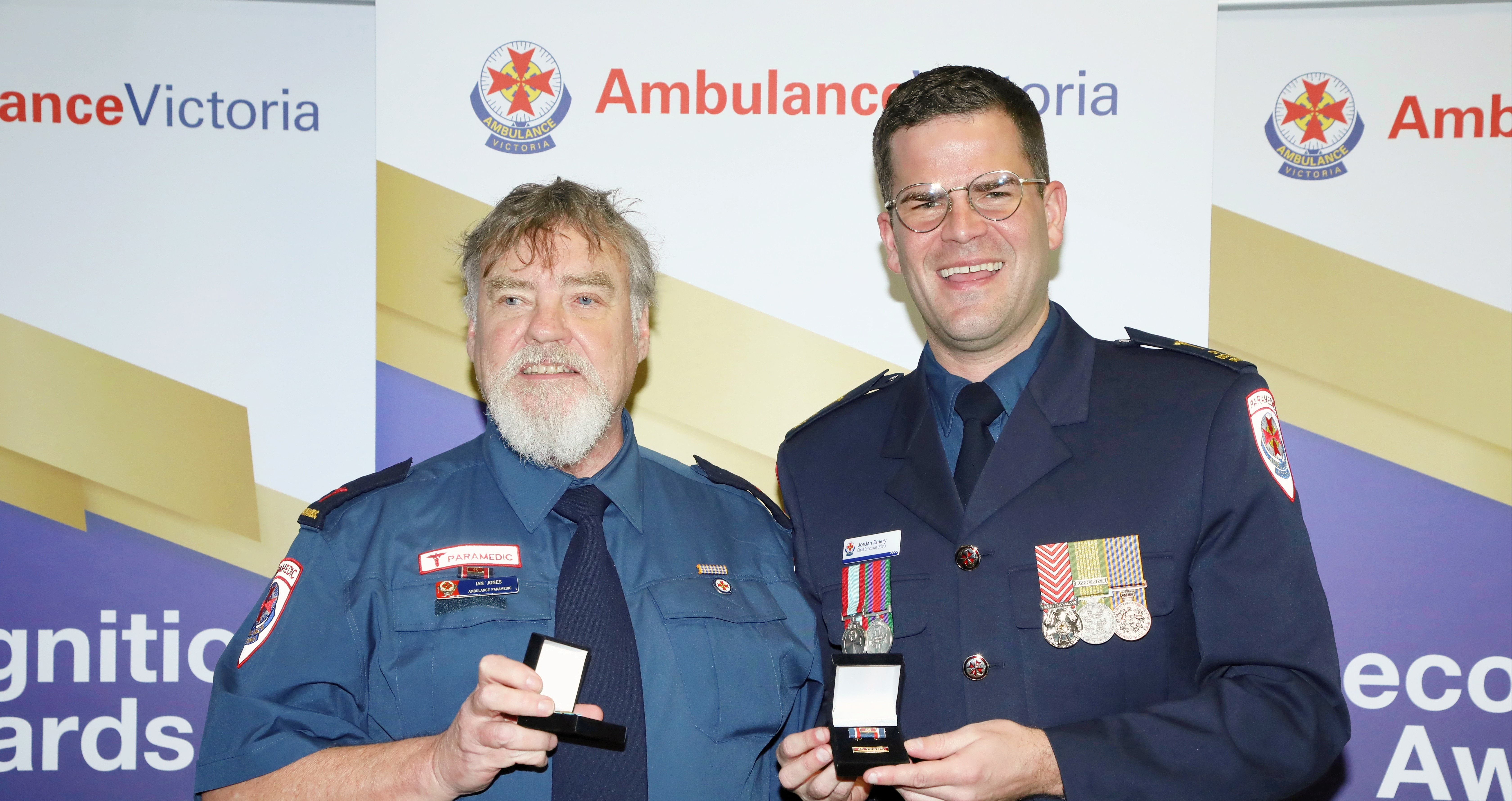
When Ambulance Victoria (AV) paramedic Ian Jones began his 50-year career, he didn’t even have his driver’s licence. At just 17-years-old, the ambulance cadet was thrown in the deep end, and he never looked back.
It was January 1976 when Ian joined Victoria’s last group of ambulance cadets, completing a three-year program comprised of on-the-job training, education at the Ambulance Officers Training Centre and hospital placements.
With a young Ian unable to drive, he was forced straight into the back of the ambulance, monitoring patients enroute to hospital while his supervisor drove the vehicle.
“It was very confronting. At the age of 17, I was delivering babies and attending car crashes and all sorts of other ambulance cases,” Ian said.
“I was thrown in the deep end and I saw the world through a very unfiltered lens, while other people my age were still going to school.”
Ian’s family moved to Australia from Wales when he was 15 and through two years of high school, he became interested in a career in emergency services.
Despite his young age, he committed wholeheartedly to a life in ambulance, leaving his family and friends behind in Melbourne, and finding his own transport and accommodation to start his cadetship in the Geelong and District Ambulance Service.
“I was drawn to helping people and the excitement of going to work and knowing you’d be making a difference to the community,” Ian said.
Over the years that followed, Ian completed his cadetship and landed a job as a qualified ambulance officer in Werribee. He later transferred to a number of branches across Metropolitan Melbourne and even spent a few years as an ambulance officer in Mackay, Queensland.
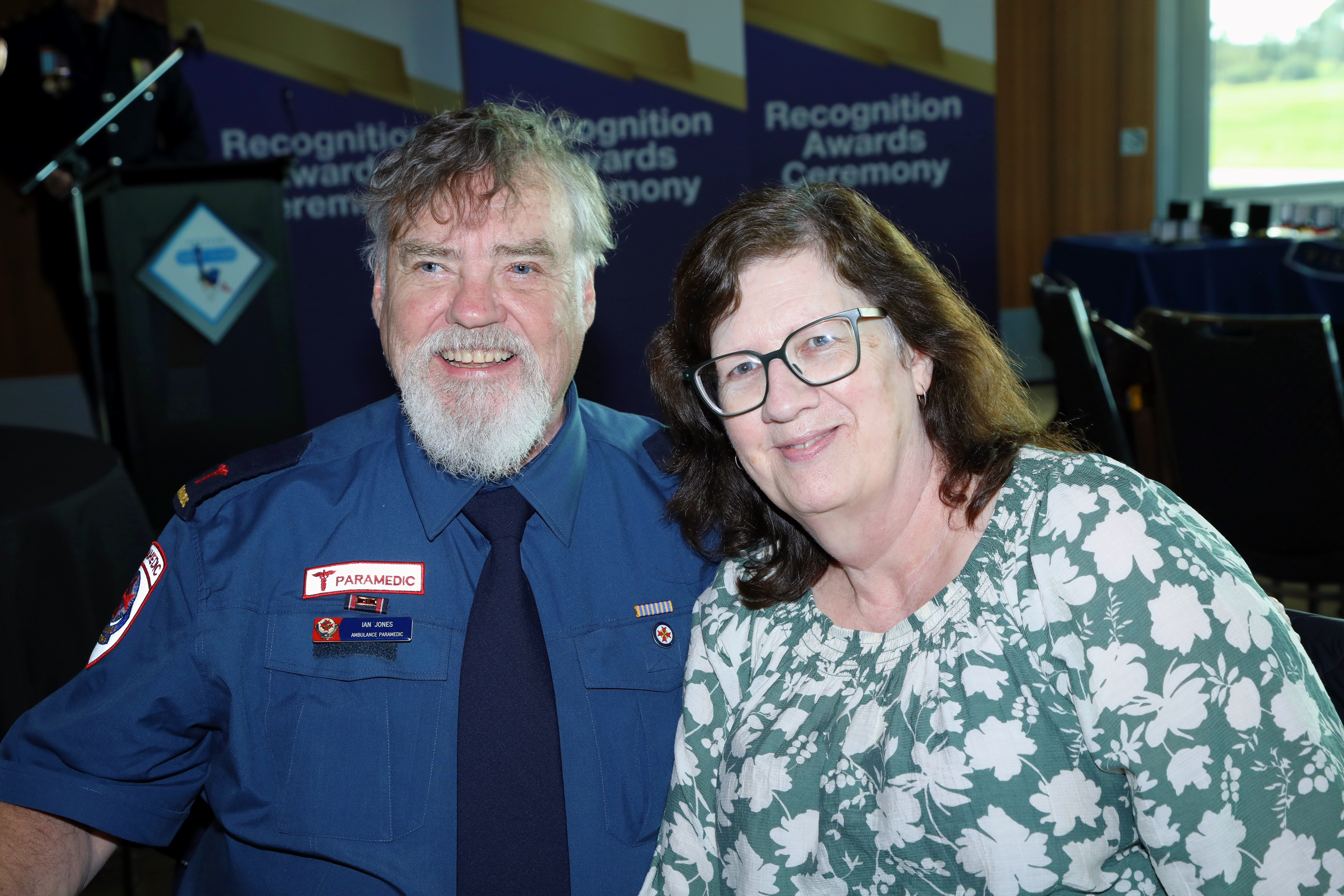
In the late 1990s, Ian returned to Victoria, taking up a position at the then on-call ambulance branch in Stawell, and has spent the rest of his career working in the Grampians region.
“When I arrived in Stawell, we worked as single-responders and it was quite challenging, being dispatched to cases with no back-up nearby. We’d get police or SES members to drive the ambulance if we needed to treat the patients,” Ian said.
“Then Ambulance Community Officers (ACOs) were introduced, which made a big difference, and now the branch has grown to have about 20 paramedics.”
Ian has bear witness to many changes across Victoria’s ambulance service through the decades, one of the most memorable being the introduction of trolley stretchers – revolutionising manual handling requirements for paramedics.
“The country ambulances used to have four beds in the back, and you’d load two patients ‘upstairs’ and two patients ‘downstairs’ as we called it. The manual handling was disastrous – it was so physically demanding,” Ian said.
“There would be two of us lifting the stretcher into the vehicle and then sometimes up onto a top bunk. When they introduced the drop wheel ambulance stretchers, that was just fantastic. It made the work so much easier on our bodies.”
Ian officially celebrated 50 years in Victoria’s ambulance service in January and will retire this July.
As he prepares to formally farewell his career, he said it is the camaraderie he will miss most.
“Once you put the uniform on, you become part of a fellowship of likeminded people that are all there to do the same thing – to look after your communities and make a difference,” he said.
“The people I’ve worked with have been fantastic and I’ve made lifelong friends.
“Sometimes I look back and think I’ve never really worked a day in my life because it has been such an enjoyable job. I’m very proud of my time with Ambulance Victoria.”
Updated