

- Published:
- Thursday 1 October 2026 at 12:01 am
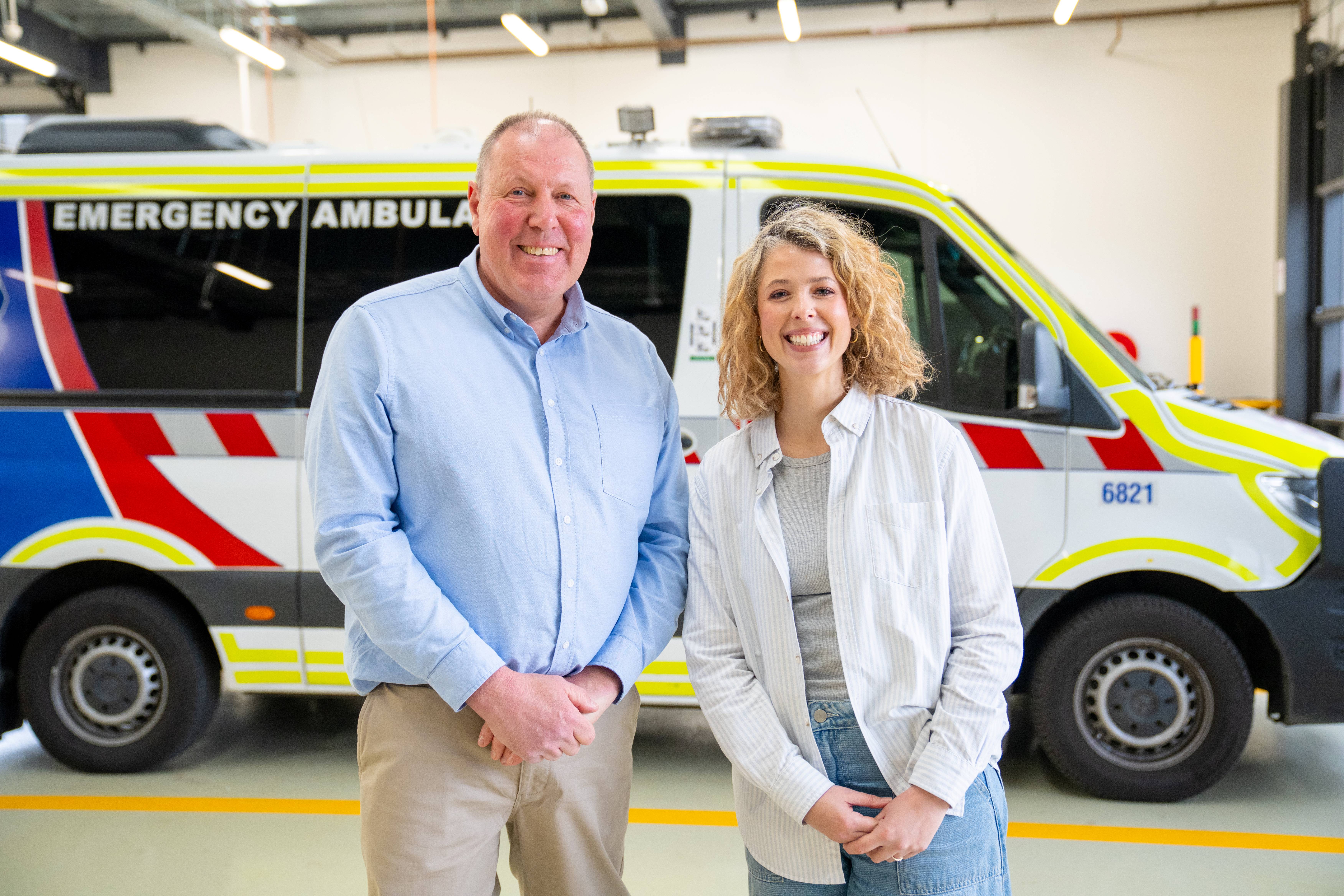
At just 35-years-old, Tekitah Falkenberg almost lost her life when she went into cardiac arrest at work. Thanks to the quick actions of her colleagues and a GoodSAM responder, she is alive to tell the tale.
This Shocktober, Ambulance Victoria is calling on you to give every heart a chance and learn the three simple steps that could save your loved one – Call, Push, Shock.
Every day, 21 Victorians suffer the medical emergency but only one in 10 survive*. Cardiac arrest can happen to anyone at any time, regardless of age, health or fitness level, and often without symptoms.
Tekitah is sharing her story to encourage Victorians to learn cardiopulmonary resuscitation (CPR), know where their nearest automated external defibrillator (AED) is located, and sign up to be a GoodSAM responder, as part of Ambulance Victoria’s annual Shocktober campaign, which runs throughout October.
In July 2023, Tekitah was mid phone call at her corporate job when she suddenly collapsed at her desk. Her colleagues instantly ran to her aid and realising she was unresponsive, called Triple Zero (000), began CPR and retrieved the building’s AED.
GoodSAM responder Steve wasn’t far behind after being alerted to the life-threatening emergency via the free GoodSAM smartphone app. The app allows Triple Zero call takers to connect people willing to do CPR with nearby patients in cardiac arrest, helping in the critical minutes before paramedics arrive.
Tekitah was the first person that Steve assisted through the GoodSAM app since signing up in 2018.
“Tekitah’s emergency will always stay with me as it was the first time I felt I was able to use my first aid skills to help save someone’s life,” Steve said.
“I was leaving work nearby when the alert came in and I immediately headed to the business. When I got there, Tekitah’s colleagues were already doing CPR and had grabbed the AED but not yet applied it to her skin.
“I assisted with CPR and helped apply the defibrillator pads. We then delivered two shocks before the paramedics arrived. It is really pleasing to know she has had a positive outcome and that I played a role in that.”
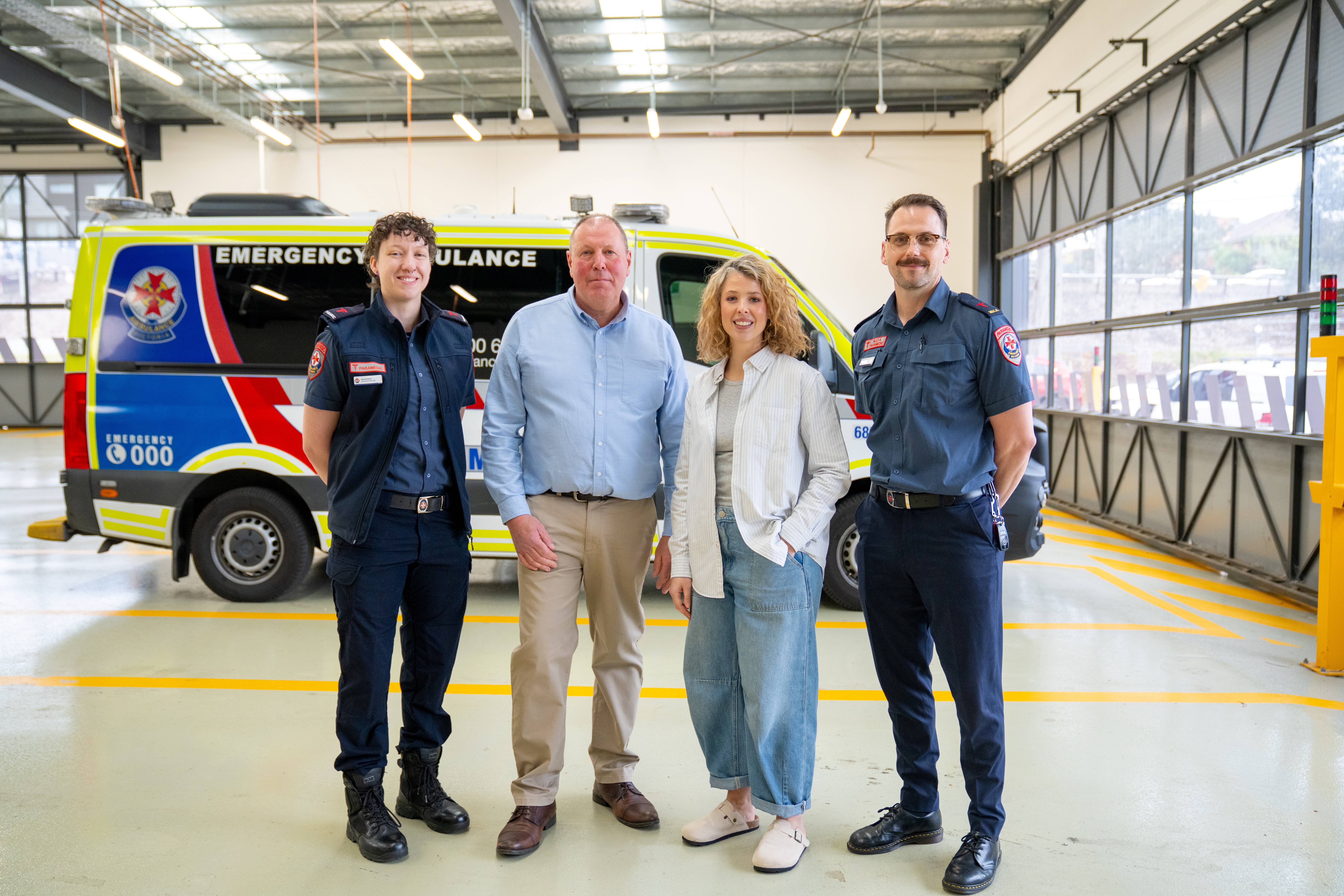
In 2024-25, Victoria achieved its highest cardiac arrest survival rate, with 44.4 per cent of patients surviving a witnessed cardiac arrest to hospital discharge^ – the best in Australia and second best worldwide, thanks to strong bystander intervention and early access to CPR and defibrillation.
A record 152 cardiac arrest patients in Victoria received a shock from a public AED before paramedics arrived.
But data shows women are half as likely to receive a shock from an AED than men, a statistic Ambulance Victoria is working to change.
“For every minute CPR is delayed, survival decreases by 10 per cent. When a patient receives CPR and a shock from an AED before paramedics arrive, their chance of survival more than doubles,” Ambulance Victoria Executive Director Regional Operations Michael Georgiou said.
“We want to give every heart a chance by eliminating the stigma around removing clothing to expose the bare chest and apply AED pads.
“AED pad-to-skin contact is really important. Simply follow the diagrams on the AED pad covering and place one pad below the collar bone on the person’s right chest above the breast, and the other on the left side of the person’s chest, below the armpit and beside the breast. You may need to lift the breast to place the pad directly on the ribcage and bare skin.
“You don’t have to be a paramedic - anyone can save a life by remembering three simple steps: Call Triple Zero (000), Push hard and fast in the middle of the chest to give CPR, and give a Shock using an AED.”
To this day, Tekitah remains thankful there was an AED on site and no one hesitated to use it.
“The fact there was a defibrillator nearby and my colleagues and Steve didn’t think twice about removing enough of my clothes to correctly apply it saved my life,” Tekitah said.
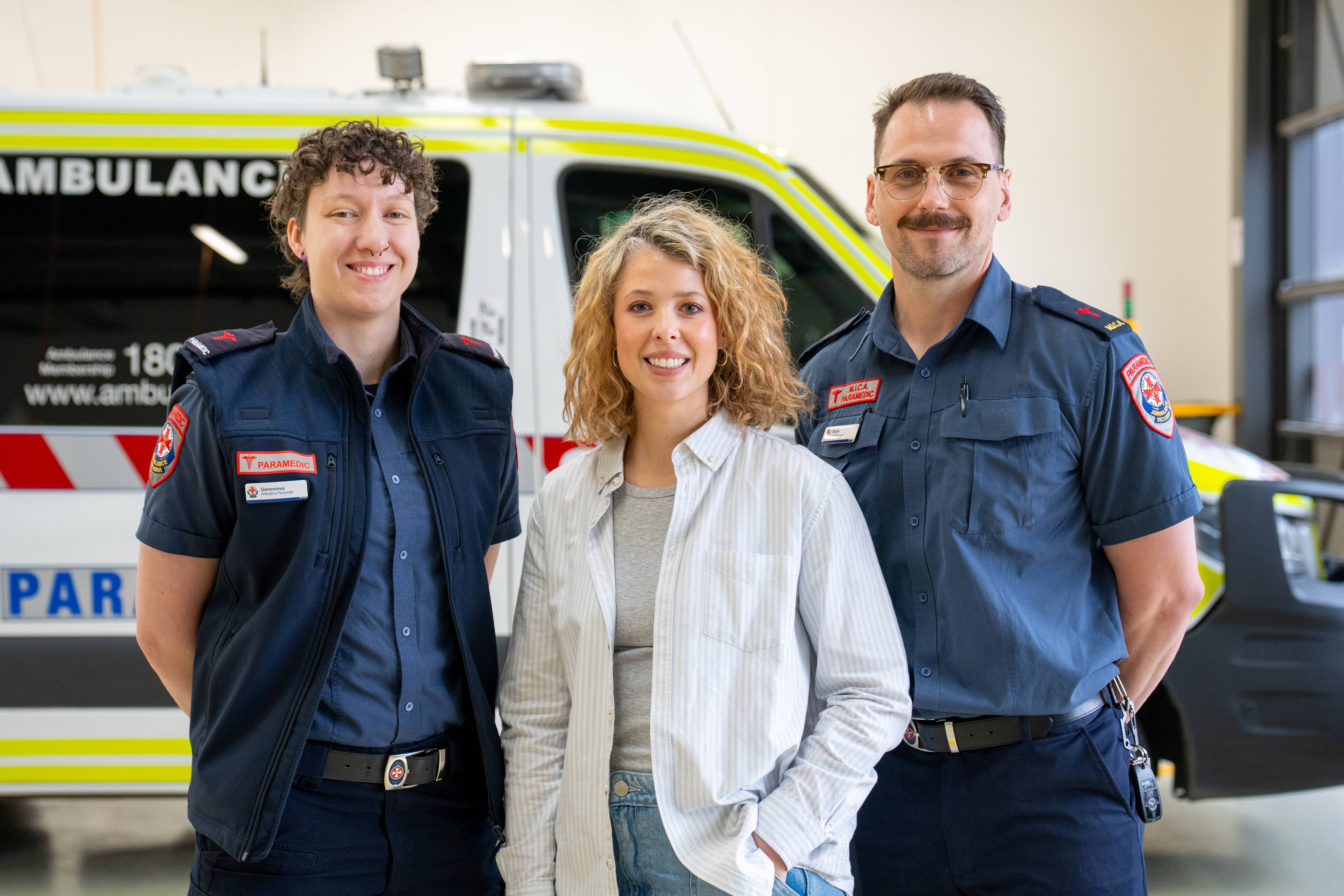
“I was really lucky to have been at a location that held regular CPR training and had multiple defibrillators.
“After going through this experience, I believe every business should have an AED that is registered with Ambulance Victoria, because you never know when you’ll need it. I feel very grateful for everyone who helped save my life.”
Mr Georgiou said Tekitah’s story also reinforces the difference Victorians can make by signing up as a GoodSAM responder.
“There are currently more than 18,600 GoodSAM responders across the state, but we always need more. We encourage everyone over the age of 18 to sign up to the free app so they’re available to help someone in their community when they need it most,” he said.
Last year, Ambulance Victoria paramedics responded to 7,550 out-of-hospital cardiac arrests.
Now in its seventh year, Ambulance Victoria’s annual Shocktober campaign is a key driver of Victoria’s nation-leading cardiac arrest survival rates, with the campaign equipping people across the state with the confidence and skills to act in a cardiac arrest emergency.
The most recent Ambulance Victoria cardiac arrest data can be found in the VACAR Annual Report 2024-2025.
*The total number of cardiac arrest cases in Victoria. Includes unwitnessed cases where a patient is on their own and no one is available to call Triple Zero (000).
^The number of witnessed cardiac arrest cases in Victoria; meaning someone witnessed the patient experience their cardiac arrest and was available to call Triple Zero (000).
Updated