

- Published:
- Monday 30 March 2026 at 4:10 pm
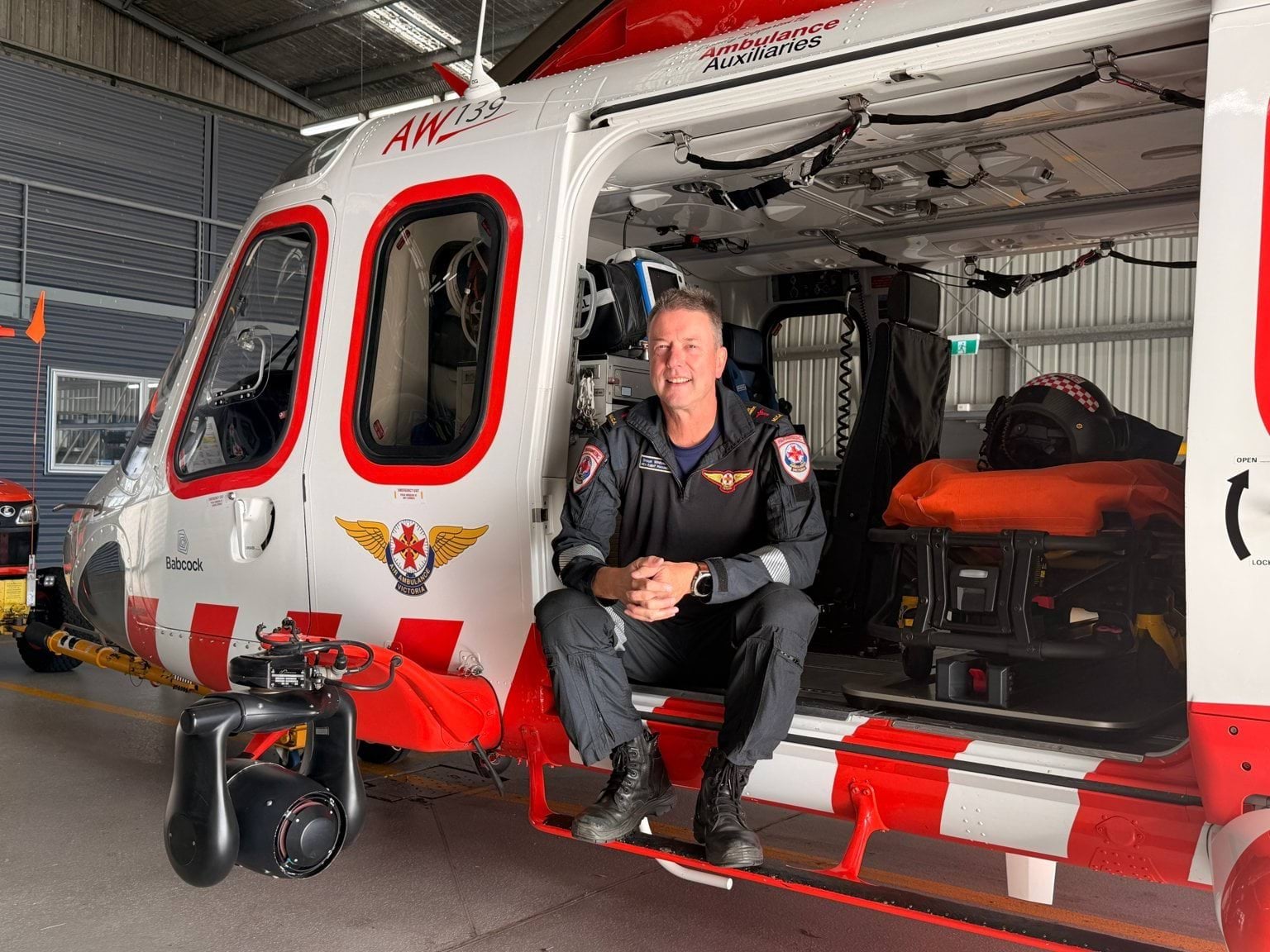
Ambulance Victoria (AV) Mobile Intensive Care Ambulance (MICA) Flight Paramedic Shaun Whitmore is retiring after a 34-year career caring for some of Victoria’s most critically injured and unwell patients.
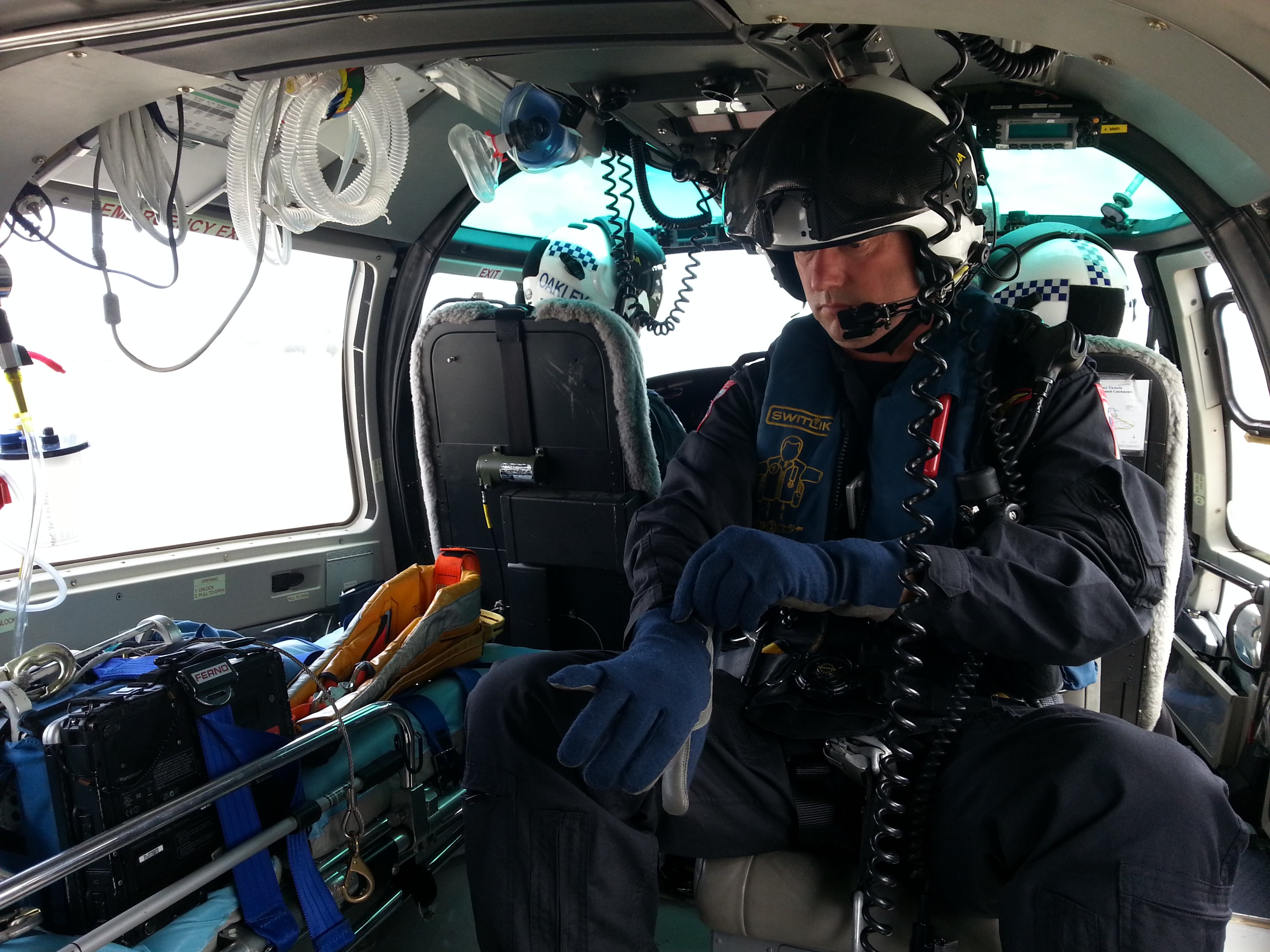
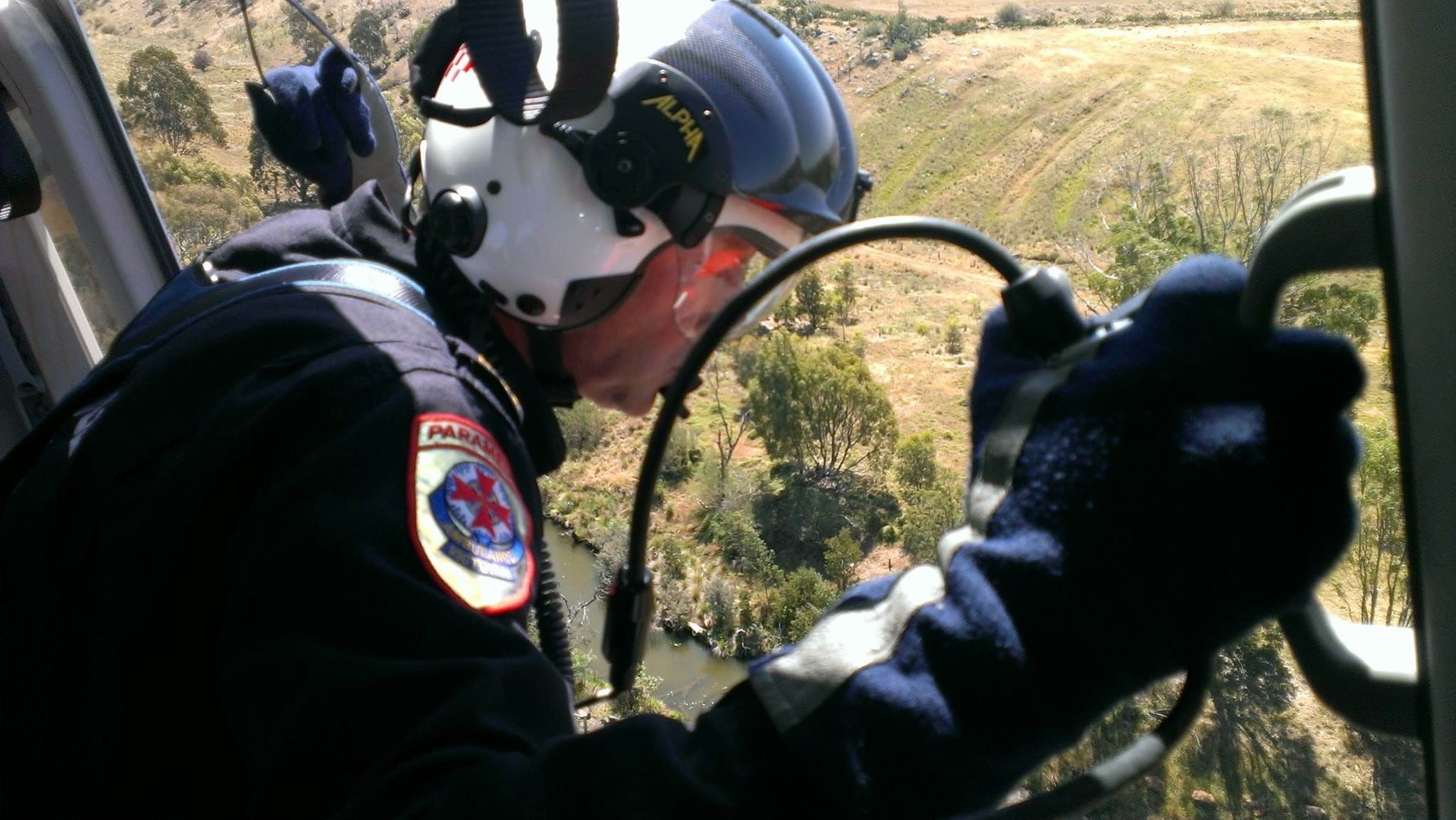
Working aboard Air Ambulance Victoria’s Helicopter Emergency Medical Service (HEMS) fleet since 2006, after commencing his career in ambulance in 1992, Shaun provided care to more than two thousand HEMS patients, often in the most challenging, time-critical and remote environments.
Highlights of his career include performing 580 winch training operations, along with 41 live winch patient rescues, completing more than 700 ventilated inter-hospital transfers of critical patients, and administering pre-hospital blood products to over 50 patients.
On top of this, Shaun performed more than 100 rapid sequence intubation (RSI) procedures, a technique introduced during Shaun’s career that he said was one of the biggest changes to MICA practice in Victoria.
“In the early 2000s, MICA Flight Paramedics were the first to use RSI, which involves essentially paralysing a critical patient so we can manage and support their airway,” Shaun said.
“When you sedate patients, they can usually continue to breathe on their own, but when you paralyse them, they can’t. It increased our level of responsibility spectacularly but also our ability to care for critically unwell patients.”
Providing such high-level medical care wasn’t what Shaun had always seen himself doing. He started out working as a sales rep in the car trade before becoming a registered nurse. Working in the hospital emergency department, he made friends with some paramedics who inspired him to make the career change.
After a couple of applications, Shaun landed a position with the Metropolitan Ambulance Service in January 1992.
“In my first few years, I had no real intention of going on to become a MICA paramedic. But in my psychological assessment for the job, it said I was emotionally stable and that I seek novelty and variety. It’s definitely true and is just part of my wiring,” Shaun said.
Those traits, along with encouragement from his colleagues and managers, eventually led Shaun to MICA and Air Ambulance Victoria. He commenced practice as a MICA paramedic in 1999, qualified as a MICA Flight Paramedic in Essendon in 2006, then transferred to HEMS2 in Gippsland’s Latrobe Valley in 2013, where he spent the rest of his career.
“MICA and air ambulance aren’t for everybody, but I found that the work suited me. I was drawn to the variety, to being in the outdoors and the clinical challenge,” he said.
Reflecting on his career, Shaun said caring for the most clinically challenging patients was the most rewarding.
“There were some patients that I was absolutely convinced weren’t going to survive the flight, but I’d try everything and not give up, even after hours of care. Sometimes, you’d wind up with unexpected survivors and that was an incredibly satisfying thing,” Shaun said.
Shaun’s experience saw him take on many roles across his career, including time as a team manager, clinical instructor, acting clinical support officer, urban search and rescue paramedic, health commander, peer support lead, and undergraduate and postgraduate university teaching.
His time in peer support, where for some time he was the only peer-support-trained MICA Flight Paramedic, is something he will be remembered for.
“I trained in peer support in 1999 at the same time as completing the MICA course. Being able to foster that trust with my work colleagues over time and reassure them when they were in a bit of strife was very satisfying,” he said.
On top of his paramedic work, Shaun supported frontline disaster and humanitarian responses to major emergencies including the 2009 Black Saturday bushfires, 2009 Samoan tsunami, and an AusMAT deployment to Tropical Cyclone Winston in Fiji in 2016.
As he enters retirement, Shaun will continue teaching disaster and wilderness medicine domestically and overseas, passing on the critical skills he’s learnt across a varied and impactful career.
Shaun said he is proud to be finishing his time at AV from the HEMS2 branch.
“HEMS2 is a highly sought-after workplace at AV because of the culture and the leadership there. The standard that’s expected there is very high and you’re clinically challenged. It makes for a motivated and dynamic workplace filled with people who take what they do really seriously and strive to be their best,” he said.
“I will miss the variety of the job and I’ll miss my colleagues. I consider myself really lucky to have done all the things I have.”
Updated