

- Published:
- Tuesday 24 March 2026 at 7:00 am
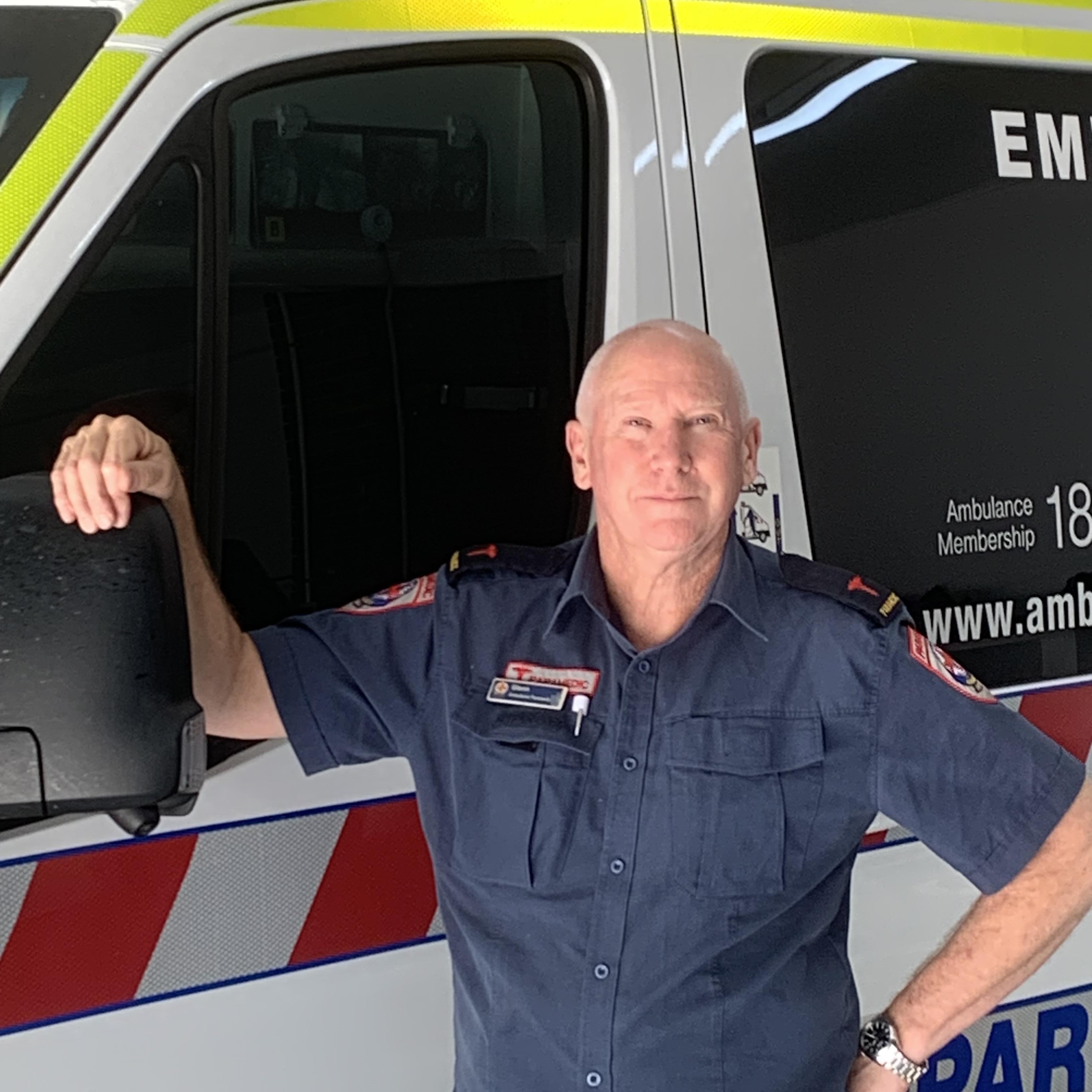
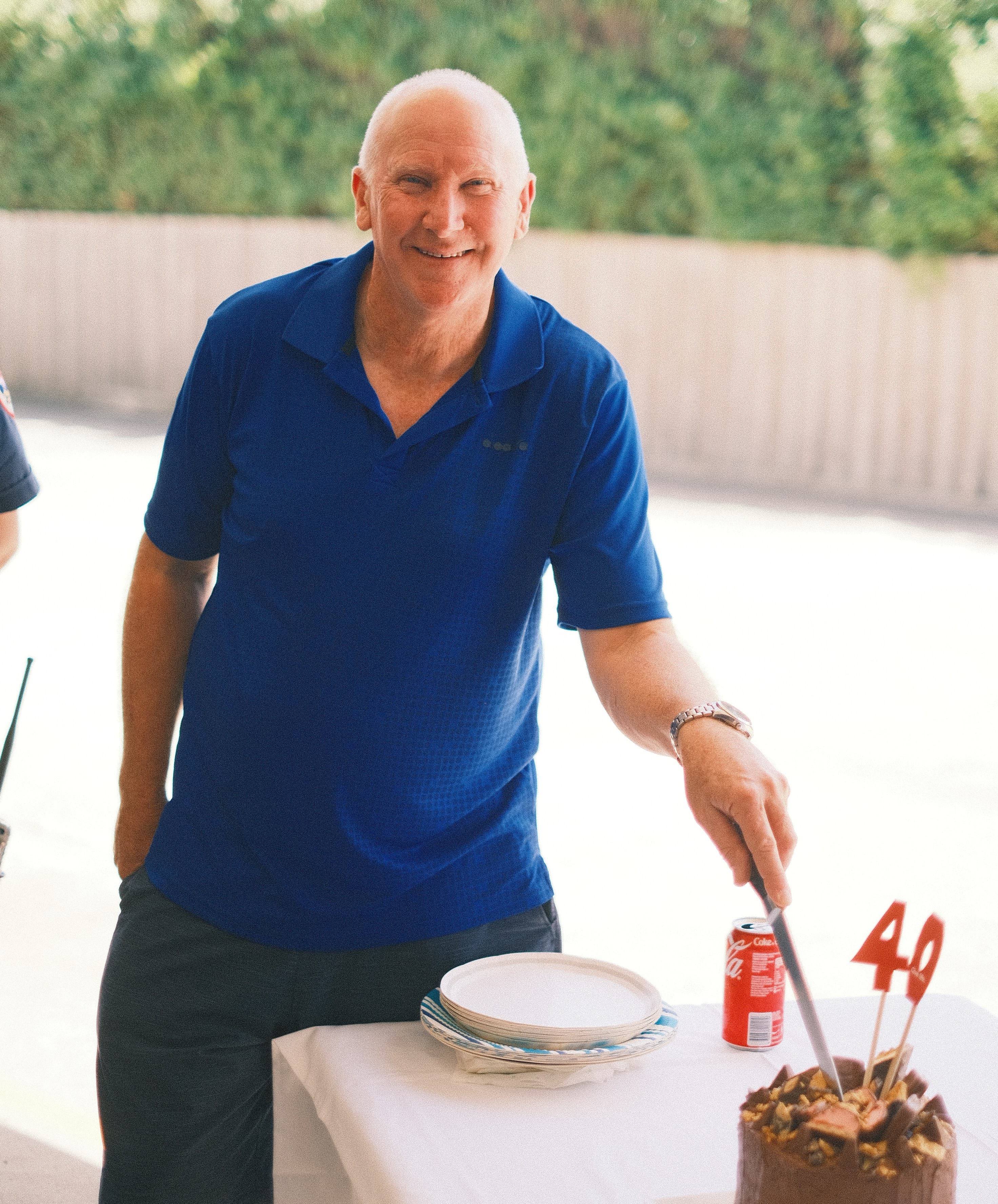
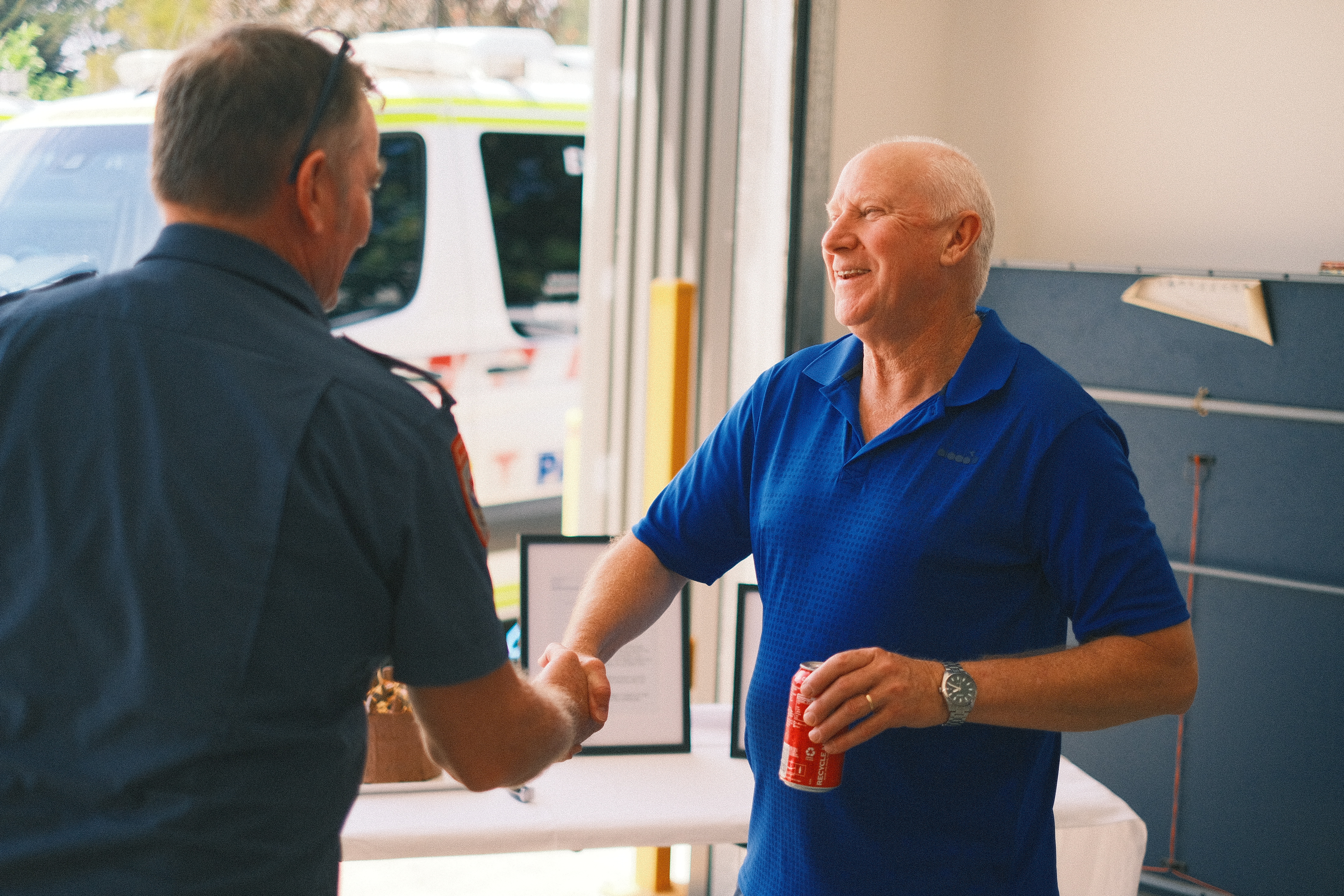
Paramedic Glenn Palmer has celebrated 40 years of service across Ambulance Victoria’s (AV) Woodend and Swan Hill branches, in a career marked by significant change to Victoria’s ambulance service.
Glenn grew up in Swan Hill and began work as an ambulance officer on 28 January 1986 in his hometown.
Joining the ambulance service was something he’d thought about for a while, after already volunteering with the local Country Fire Authority (CFA) brigade.
“A paramedic from Melbourne moved up to Swan Hill and also joined the fire brigade. I told him I’d always thought about working in ambulance and he said to me, ‘you can’t get a job if you don’t put an application in.’ So, I applied and about four months later I was employed as an ambulance officer,” Glenn said.
For the first eight years of his career, Glenn was part of the Mid-Murray District Ambulance Service. During the 1980s and ‘90s, 16 regional ambulance services were gradually amalgamated into Rural Ambulance Victoria.
The amalgamation process opened a door for Glenn, which would prove to be a life changing opportunity.
“The Loddon Mallee region we have today was formed and there was an advertisement put out for a short-term paramedic reliever at Woodend,” Glenn said.
“I applied and was rostered to one week of shifts, but before I headed down, they advertised the permanent position.”
Glenn applied and was offered the role, and that first week of shifts turned into 32 years and counting of living and working in Woodend.
For Glenn and his wife Bev, both born and raised in Swan Hill, it was an exciting but challenging change, with Glenn taking on a gruelling work schedule.
“Woodend was a two-officer branch, but we worked on our own as single responders. We used to work 10 eight-hour days then have four days off. But of those 10 days, for seven nights you were on-call,” Glenn explained.
“Back in those days, I’d come home on-call and if the phone rang and it was one of Bev’s family, I’d have to tell her ‘don’t talk for too long’. Our landline was the only way the ambulance dispatchers could get in contact with me. We didn’t have the pagers or radios we have now. It was very restrictive for my family.”
At the time, the couple’s sons, Jason and Daniel, were just two and five years old.
“I’d walk in the door and give them a cuddle and try to do something with them, but then the phone would ring and I’d be out the door again. I’m very thankful for the great support of Bev and both the boys,” Glenn said.
Across four decades in ambulance, Glenn has seen significant change and much of what stands out most is from his early days in Woodend.
“Back then, you did almost everything on your own. You’d transport people that you wouldn’t think about transporting on your own now. It was a very different time,” Glenn said.
“When I first started in Woodend, there was no freeway bypass, so all the traffic went through the middle of town on a 100km/h road with two lanes in each direction. Particularly in the winters, there’d be seven or eight head-on collisions. I was often responding on my own, and the back-up would be another single responder 10 or 20 minutes away.
“We only really had one drug. It was before the introduction of the Advanced Life Support (ALS) paramedic level of practice, which is the standard now, and Mobile Intensive Care Ambulance (MICA) paramedics were only just starting to be introduced into rural Victoria. There were also only two helicopters, one each in Gippsland and Melbourne.
“I got used to the style of work and it meant you learnt quickly. But it was challenging at times and very different to how we work today.”
Over the next few decades, Glenn continued working as a paramedic in Woodend and also spent time in roles including clinical instructor, driving standards facilitator, occupational health and safety representative, and acting team manager.
After 40 years, Glenn said he knows he is closer to the end of his career than the start.
Reflecting on his time in ambulance, he said it’s the service to the community and the friendships that stand out most.
“To help others and serve the community is what I joined for and is what I’m proud to have done in the Macedon Ranges and Swan Hill,” he said.
“And from getting to know the helicopter paramedics who came to the trauma cases in Woodend, to getting to know new starters as a driving standards facilitator, it’s that camaraderie with staff and the friendships you create that is the other big highlight for me.”
Updated