

- Published:
- Wednesday 27 May 2026 at 8:00 am
Paula Morgan is a proud Gunnai woman, CEO of the Lakes Entrance Aboriginal Health Association and a registered nurse with decades of experience working in the health sector.
In 2025, she joined Ambulance Victoria’s Board of Directors.
This National Reconciliation Week (27 May-3 June), we sat down with Paula to discuss cultural safety, how Ambulance Victoria is becoming a more culturally responsive organisation and what reconciliation means.
Congratulations on your appointment to the Ambulance Victoria Board. How does it feel and how have your first seven months been?
I was absolutely thrilled to join the Ambulance Victoria Board in September last year. I have always had enormous respect for the organisation and its people. My family has needed paramedics, including air ambulance services, and every experience has been fantastic, especially living in regional Victoria. Our paramedics and first responders are remarkable.
It is a privilege to be on the Board, and I am genuinely excited about the opportunity. The Board members have been incredibly welcoming and inclusive. I first heard about the role through my involvement with Victorian Aboriginal Community Controlled Health Organisation (VACCHO), and I am very grateful to have been appointed.
I am honoured to represent my community and bring their voices to the table. It has been a real talking point at home, and people are very proud. Ambulance Victoria’s CEO, Jordan Emery, has also been wonderful. He has a genuine open-door approach, and we work well together. He is sharp, engaged and leads by example.
What have the highlights been so far?
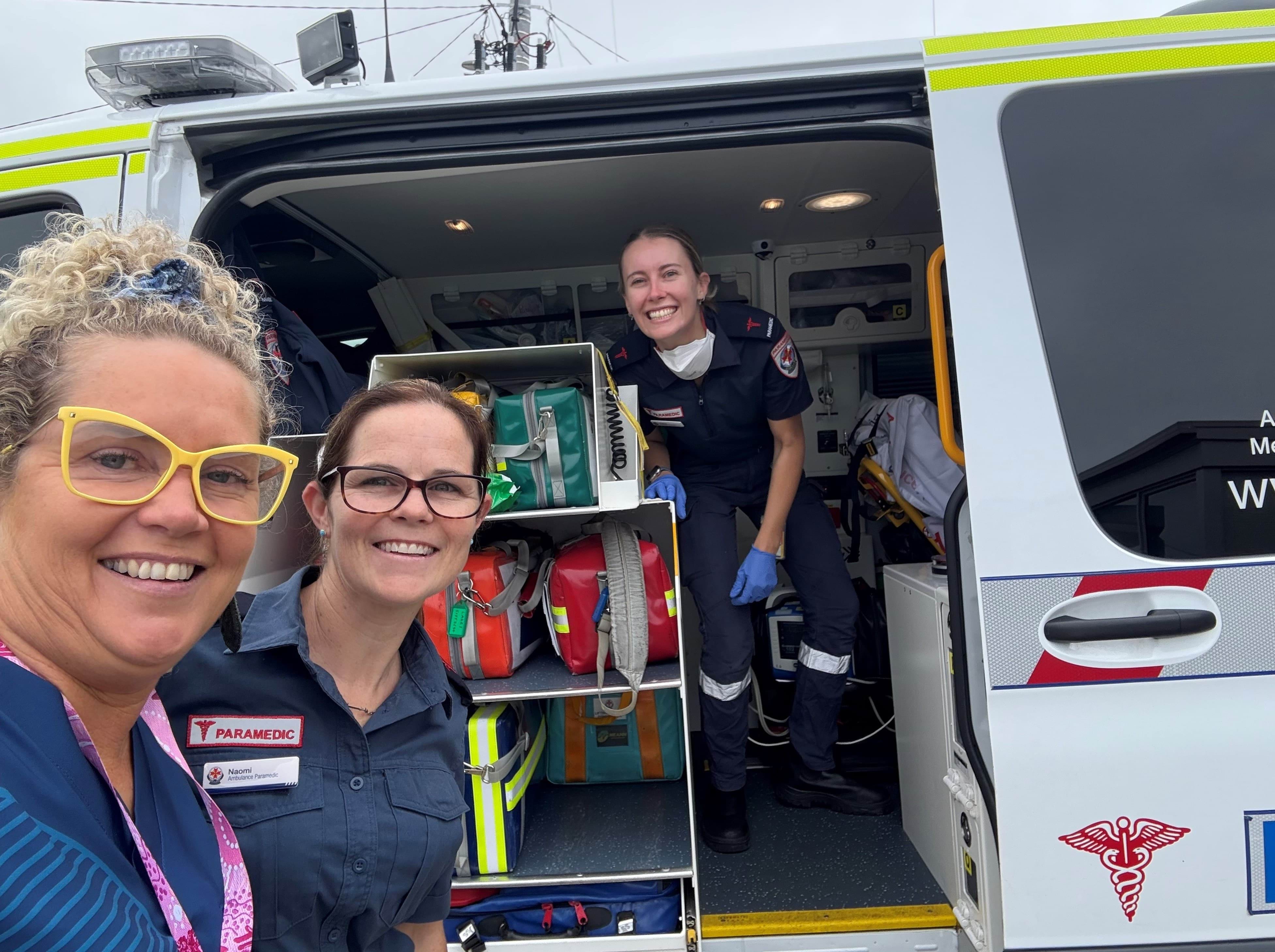
I recently completed an observer shift with the Nunawading mob. It was invaluable to see what paramedics face every day and to hear their ideas. One of the paramedics thanked me for coming and gave me a cuddle. It was a beautiful moment.
I learn best by doing, and spending 10 hours with the crew, talking and listening, really resonated with me. I am already planning another observer shift in metro Melbourne and one on Gunaikurnai Country in Gippsland.
You have significant experience in healthcare. What do you hope to bring to the organisation?
I am excited to contribute my knowledge to help improve ambulance care for Victorians, particularly for regional communities and for Aboriginal and Torres Strait Islander people. As a proud Gunnai woman from a regional area, I hope I can make a meaningful difference.
Great work is already underway at Ambulance Victoria to build a more inclusive organisation for both staff and patients. Representation matters, and having an Aboriginal person on the Board amplifies our voice. With my nursing background, I can help put some workforce concerns into perspective and act as a conduit for community, especially for mob in regional areas.
I am looking forward to spending more time on the road, having important conversations with paramedics, building relationships and understanding their perspectives.
Ambulance Victoria is taking meaningful steps on its reconciliation journey. What are your observations?
Change takes time, and there is a lot of work to do. Many of our mob are still afraid of uniforms because of generational trauma. Some are hesitant to call for help during a medical emergency due to fear of the unknown.
Ambulance Victoria is doing important community engagement work to build trust. Paramedics are attending cultural events and festivals so people can meet them in a safe environment. I recently learned that paramedics are visiting schools with high numbers of Aboriginal and Torres Strait Islander students to teach them when to call an ambulance, what to expect when paramedics arrive and basic first aid. Those children will share what they learn with their families, which is powerful.
I have also seen Ambulance Victoria well represented at NAIDOC Week events, with paramedics in uniform and ambulances for children to explore. These practical steps help break down barriers. Word of mouth is incredibly important in our communities. If thirty people attend an event, meet a paramedic and say they were lovely, that message will spread like wildfire.
Where I live in East Gippsland, we are fortunate to have a tight knit community, and Ambulance Victoria is very much part of it.
What would you like to see more of at Ambulance Victoria?
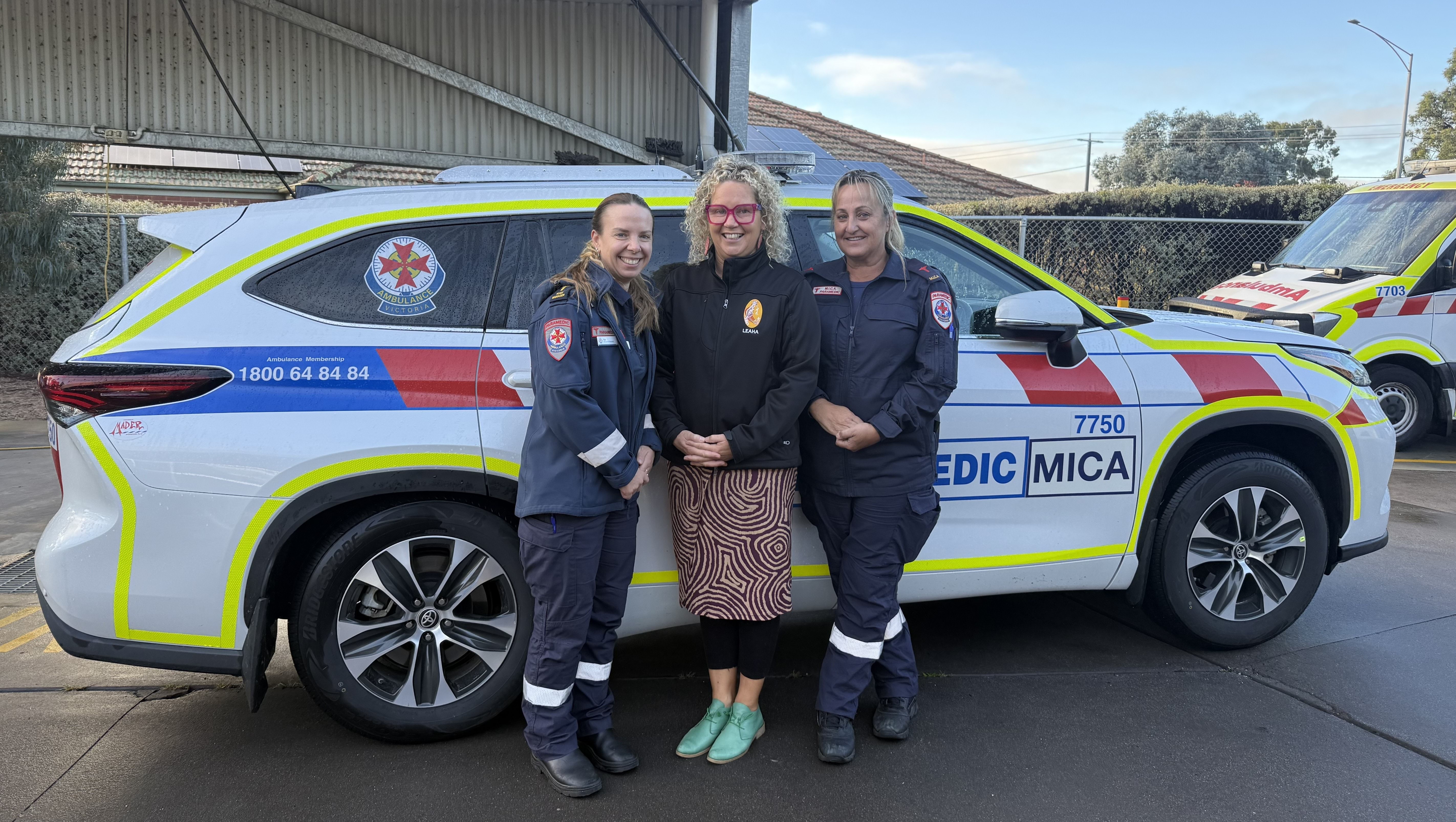
I would love to see more Aboriginal and Torres Strait Islander people employed as paramedics and in corporate roles. Ambulance Victoria already has good pathways into paramedicine with support, mentoring and scholarships. I have seen it firsthand with our paramedics in Gippsland and I’m excited to further support this. Representation is vital. For young people, seeing mob in influential positions matters.
My dream is to one day see a dedicated Ambulance Victoria Aboriginal Health Unit with staff working across all regions of the state.
What does Best Care mean to you?
Best Care means the right care, in the right place, at the right time. Communication and engagement are essential throughout the patient journey.
What does Culturally Safe Care mean to you?
Culturally Safe Care cannot be one size fits all. It needs to be place based because every region has different histories and experiences. For example, in my own community, we developed a training video with our Elders, who shared their stories. When mob see those Elders again out in the community, it resonates. That is meaningful engagement.
Ambulance Victoria is a great organisation with amazing people. I believe we can achieve great things when everyone works together, from the crews on the road to the Board and the CEO.
What does National Reconciliation Week mean to you?
For me, National Reconciliation Week is about accountability. Things may not be perfect, but together we can create positive change. This year’s theme, “All In”, captures that perfectly.
What can you bring to the Board?
I can bring humanity and inclusiveness. We all have things going on in our lives, and kindness and empathy matter. I feel privileged to sit at the table with such incredible people and to bring community voice with me. We simply need to be accountable and do our best.
Paramedics are extraordinary people, and we are fortunate in Victoria. I am proud to be part of the journey.
Updated