

- Published:
- Wednesday 19 August 2026 at 8:00 am
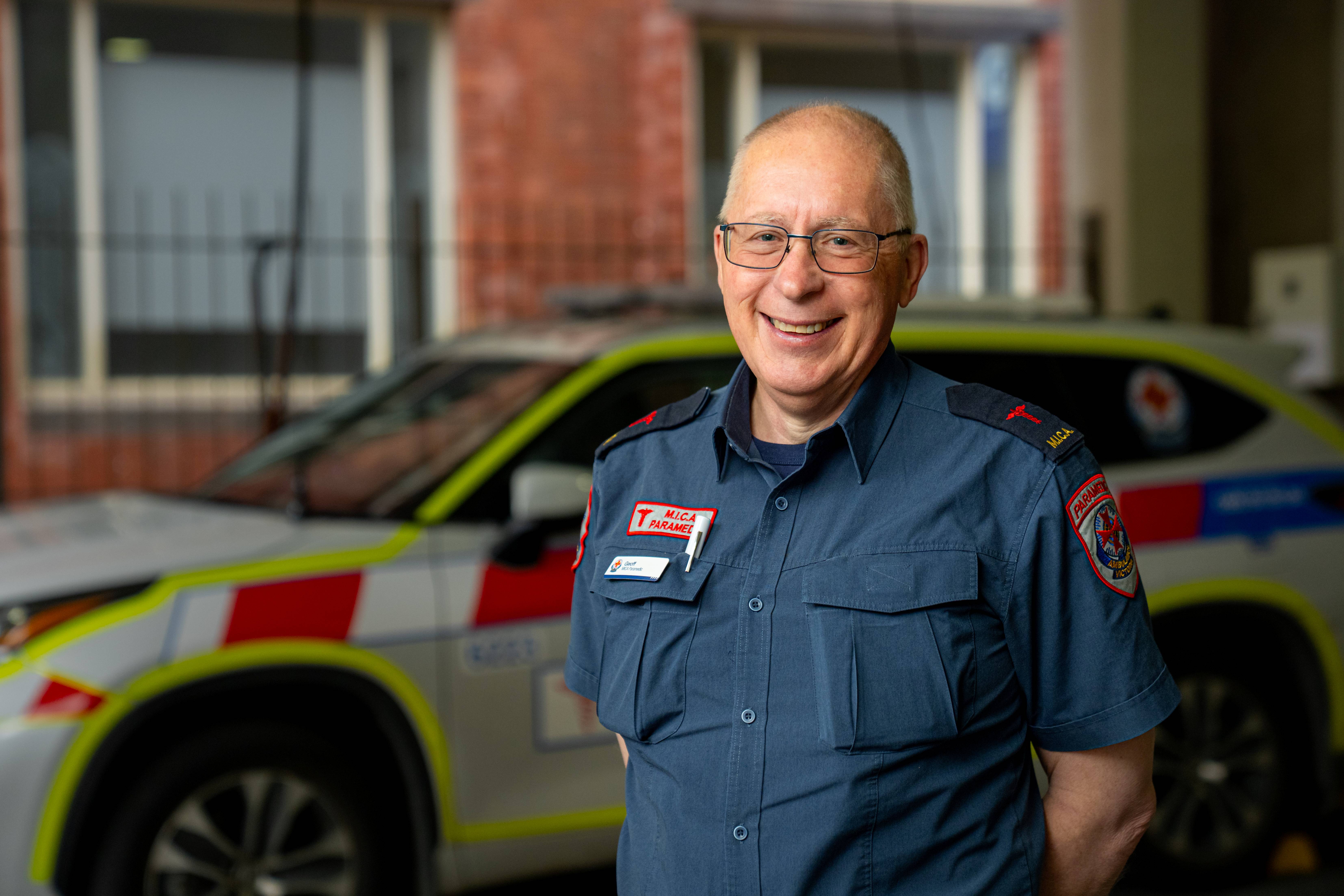
When Geoff Taurins qualified as a Mobile Intensive Care Ambulance (MICA) paramedic in 1994, he went from having just one medication at his disposal to being able to provide specialised life-saving interventions for critically unwell patients.
Across his 40-year career at Ambulance Victoria, Geoff witnessed monumental change in the pre-hospital emergency care paramedics provide, and through it all has been motivated by a passion for helping others and a constant desire to improve his clinical skills.
His early days on some of Melbourne’s MICA units, less than a decade after he joined the ambulance service, stick in his mind.
“As soon as you got onto MICA, the level of care you could provide increased dramatically. In those days, it was such a big step from the work of an ambulance officer,” Geoff said.
“As ambulance officers, we only had one pain relief medication, we had only just been allowed to take a patient’s blood pressure, and our skills were mainly applying splints and bandages. It was hugely different to the level of intervention current-day Advanced Life Support paramedics provide.
“When you became a MICA, suddenly you had a lot more medications, treatments and responsibility for your patients – it wasn’t just about getting them in the back of an ambulance and to hospital.”
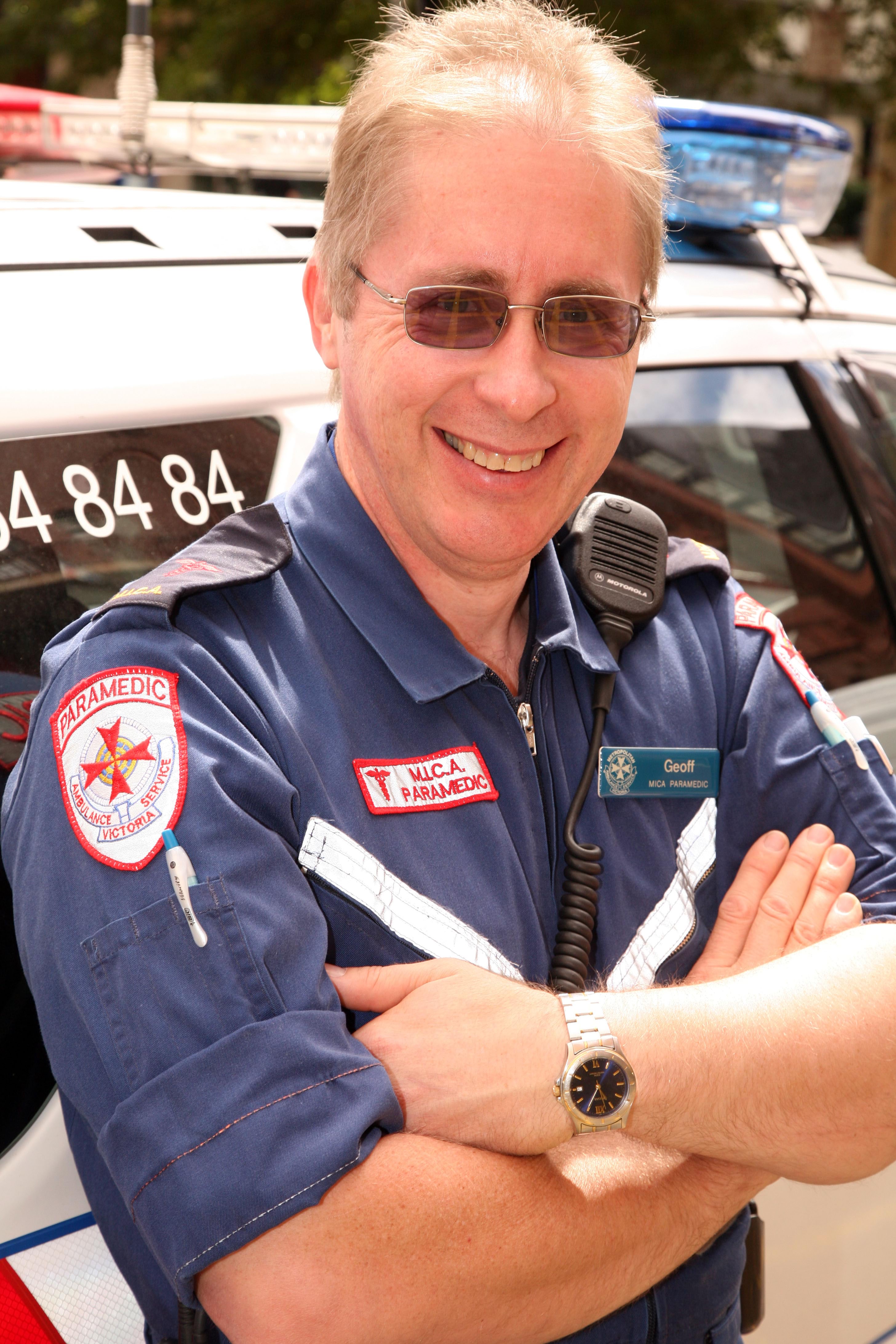
Ambulance was a far cry from the beginning of his working life. After leaving school, Geoff completed an apprenticeship at General Motors-Holden and continued working in his trade for eight years.
He also volunteered at the Victoria State Emergency Service which was where he came across the work of Victoria’s ambulance officers and was drawn to the career.
When the annual application period opened, Geoff threw his hat in the ring and was one of almost 10,000 applicants for 40 student ambulance officer positions.
He was successful and on 18 August 1986, began his four-decades-and-counting career.
“Back then, you didn’t need any qualifications to join the job. You became a student ambulance officer for three years, and every six months you did six weeks’ worth of schooling. In between, you went to a branch and worked on road with a clinical instructor,” Geoff explained.
“One of the prerequisites for applying to work in the ambulance service was life experience. Most student ambulance officers were between 25 to 35 years old and came from all walks of life – nurses, tradespeople like me, world travellers, office workers, baristas and more.
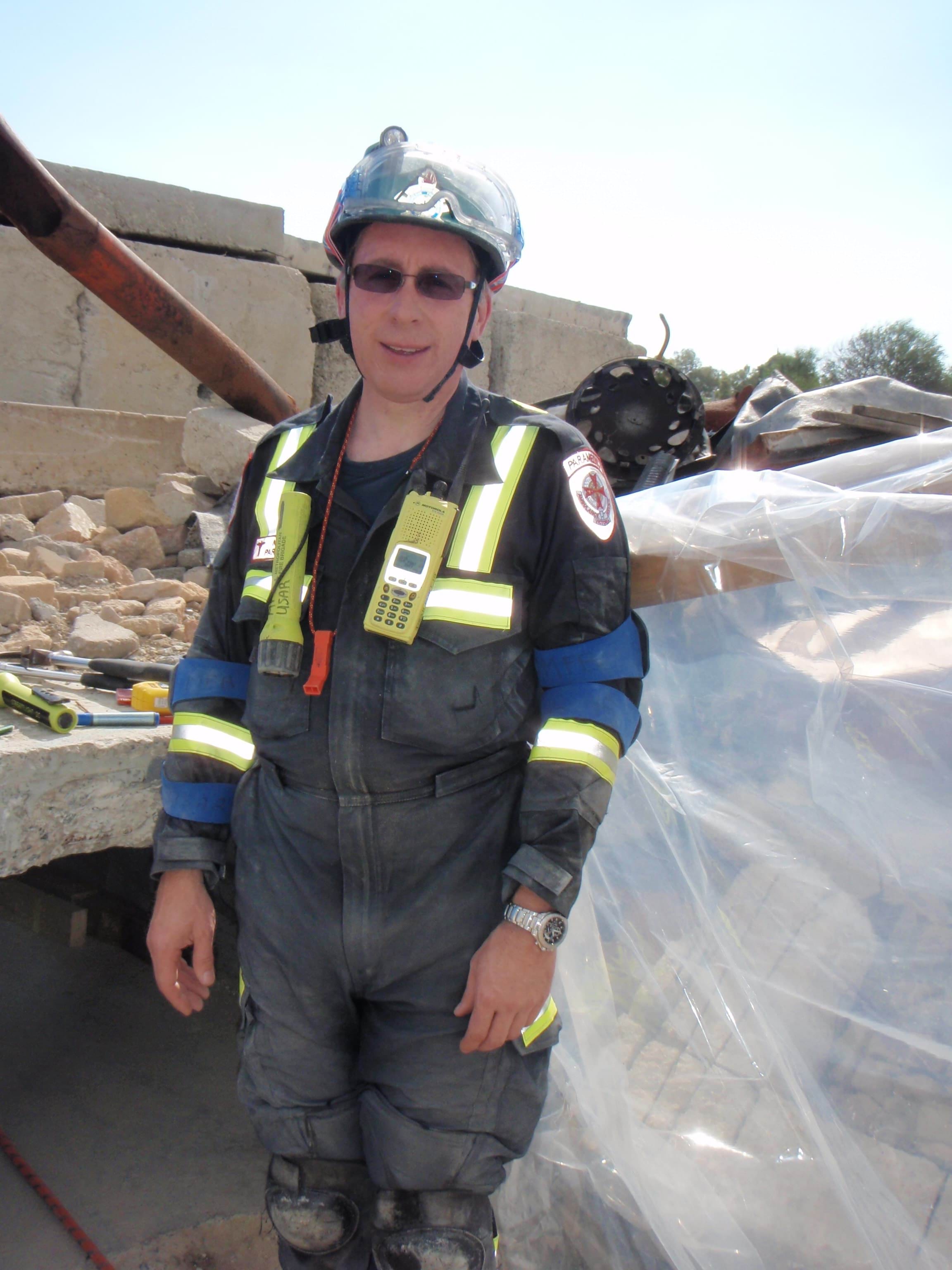
“I started out at Melbourne’s City branch and during my training also spent time in other roles including working as a call-taker and on a non-emergency vehicle providing inter-hospital transfers and outpatient support. I later moved to Sunshine branch, which was where I was working when I decided I wanted to become a MICA paramedic.”
Across his career, Geoff has worked as a MICA clinical instructor, training the next generation of MICA paramedics, and continues to work as a MICA paramedic based out of Richmond.
Even after 40 years, he loves his job.
“I’m still very happy working as a paramedic. I think it’s an awesome career. There are lots of challenges, but you get lots of satisfaction and reward out of it,” he said.
“The highlight for me is any case that resulted in a good outcome for a patient and their family. When things happen to people and you can help make them better and they walk out of hospital, that is such a good feeling.
“For me, it’s all about being able to help somebody during a time of crisis.”
Updated