

- Published:
- Wednesday 25 February 2026 at 12:21 pm
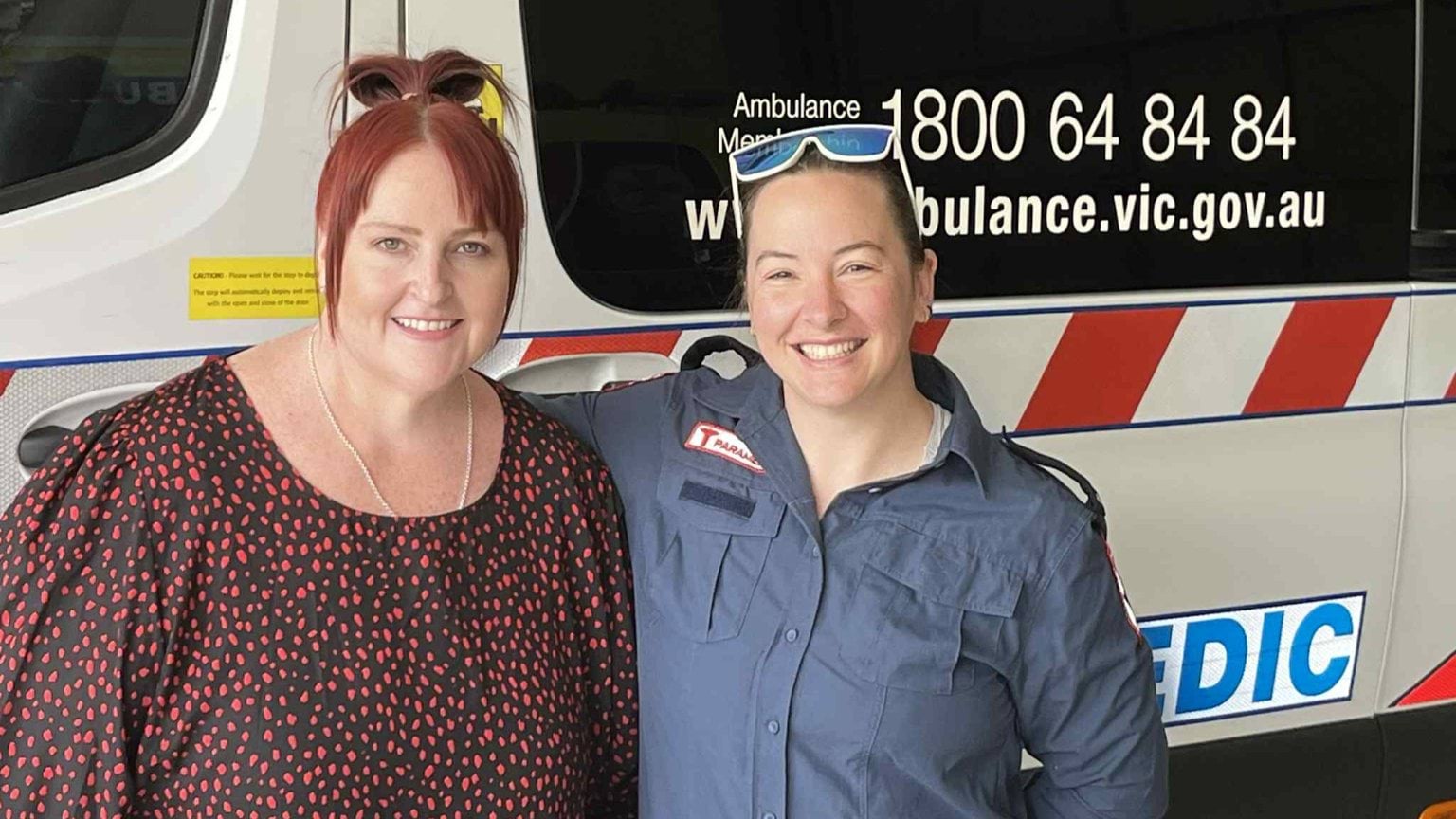
Ambulance Victoria (AV) paramedics and first responders have been called to 171 suspected snakebites since November, and urge Victorians to stay vigilant for the slippery nope ropes if heading outdoors this Labour Day long weekend.
From 1 November 2025 to 21 February 2026, AV paramedics and first responders attended 48 incidents in Hume, 20 in Loddon Mallee, 25 in Barwon Southwest, 37 in Metro, 20 in Gippsland and 17 in Grampians (with another four cases not having a specified region).
AV Manager Emergency Management Rebecca Hirsch said of these cases, 165 people were transported to hospital.
“We’ve had some significant periods of hot weather this summer, and the long-range forecast for the Labour Day long weekend is looking like the perfect weather to be out and about… but that includes snakes,” she said.
“Most snakes in Victoria are venomous, and a bite can be life-threatening.
“Bites can often be avoided simply by being observant in areas that are likely to attract snakes, such as near rivers, long grass or sheds.”
“Victorians can also take preventative measures around their home by keeping their property clear of rocks, logs and building materials, and keeping grass short.
“If someone is suspected to have suffered a snake bite, even if you’re not sure, you should call Triple Zero (000) immediately.”
Karynn Tucknott, a surgical administrator from Alexandra, was cooling off in a local river on a scorching 44-degree day in January last year, when a leisurely dip turned into a life-threatening emergency.
Standing in the shallows with her niece, Karynn recalls shifting a submerged log when, to her shock, a snake swam around her.
“I didn’t realise I’d been bitten at the time,” she said. “It wasn’t until I got home and jumped in the shower that I noticed a bite mark on the back of my leg.”
After discovering the bite, Karynn called Triple Zero (000).
“The ambulance arrived within minutes. By then, my vision was blurry, and I felt extremely unwell. I honestly thought I was going to die.”
Advanced Life Support (ALS) paramedics stabilised Karynn and transported her to the Northern Hospital under lights and sirens.
“I’m so grateful for the quick response and care I received. The paramedics were incredibly reassuring and helped to keep me calm.”
Karynn now hopes her experience will raise awareness and save lives.
“I want to encourage everyone to be snake-aware this summer. If you think you’ve been bitten, stay still and call for help,” she said.”
Snake bites may cause pain and swelling around the puncture wound, or there may be very few signs left on the skin. Symptoms that snake venom has entered your body may include dizziness, blurred vision, breathing difficulties, nausea, muscle weakness or paralysis.
Rebecca said there are some basic first aid steps people can take while waiting for an ambulance if they’re with someone who suffers a bite.
“If a snake bite victim is unresponsive and not breathing normally, you should begin cardiopulmonary resuscitation (CPR),” she said.
“If the patient is conscious, it is important to keep them still and reassured while waiting for help – only move them if it is too unsafe to stay put.
“Snake bites commonly occur on hands, feet or limbs, so applying a pressure immobilisation bandage to the affected limb can also make a big difference to the treatment and outcome of a snake bite incident.”
The Australian Resuscitation Council recommends applying a pressure immobilisation bandage (snakebite bandage) starting at the fingers or toes and working up the arm or leg as far as possible, ensuring that the bite site is covered. If a bandage has already been applied to the bite, or if the bite is covered with clothing, the pressure immobilisation bandage should be applied over this.
If you don’t have a pressure immobilisation bandage, use a firmly applied regular bandage or an item of clothing at least 10-15cm wide.
Keep the patient as still as possible and, if able, use a splint of some kind to prevent movement of the affected limb. Do not remove the pressure immobilisation bandage until the patient gets to hospital.
People should not wash the site of the bite, as venom left on the skin can be used to help identify the type of snake and the anti-venom required.
Snake bite prevention and tips:
- Victoria’s snake season is typically between September and April
- Always give snakes a wide berth and allow them the opportunity to flee
- All snake bites should be considered a medical emergency
- Most (but not all) Victorian snakes are venomous
- Do not attempt to catch or kill a snake yourself
- Bite marks may not be obvious – seek help immediately and call Triple Zero (000) if you suspect you have been bitten
If you or someone you’re with is bitten:
- Remember DRSABC (Dangers? Responsive? Send for help. Open airway. Check for breathing. Start CPR if required)
- Call Triple Zero (000)
- Keep patient still and reassure them
- Apply a pressure immobilisation bandage
- Splint the limb to prevent movement
- Wait with the patient until help arrives
Updated