

- Published:
- Tuesday 1 September 2026 at 8:00 am
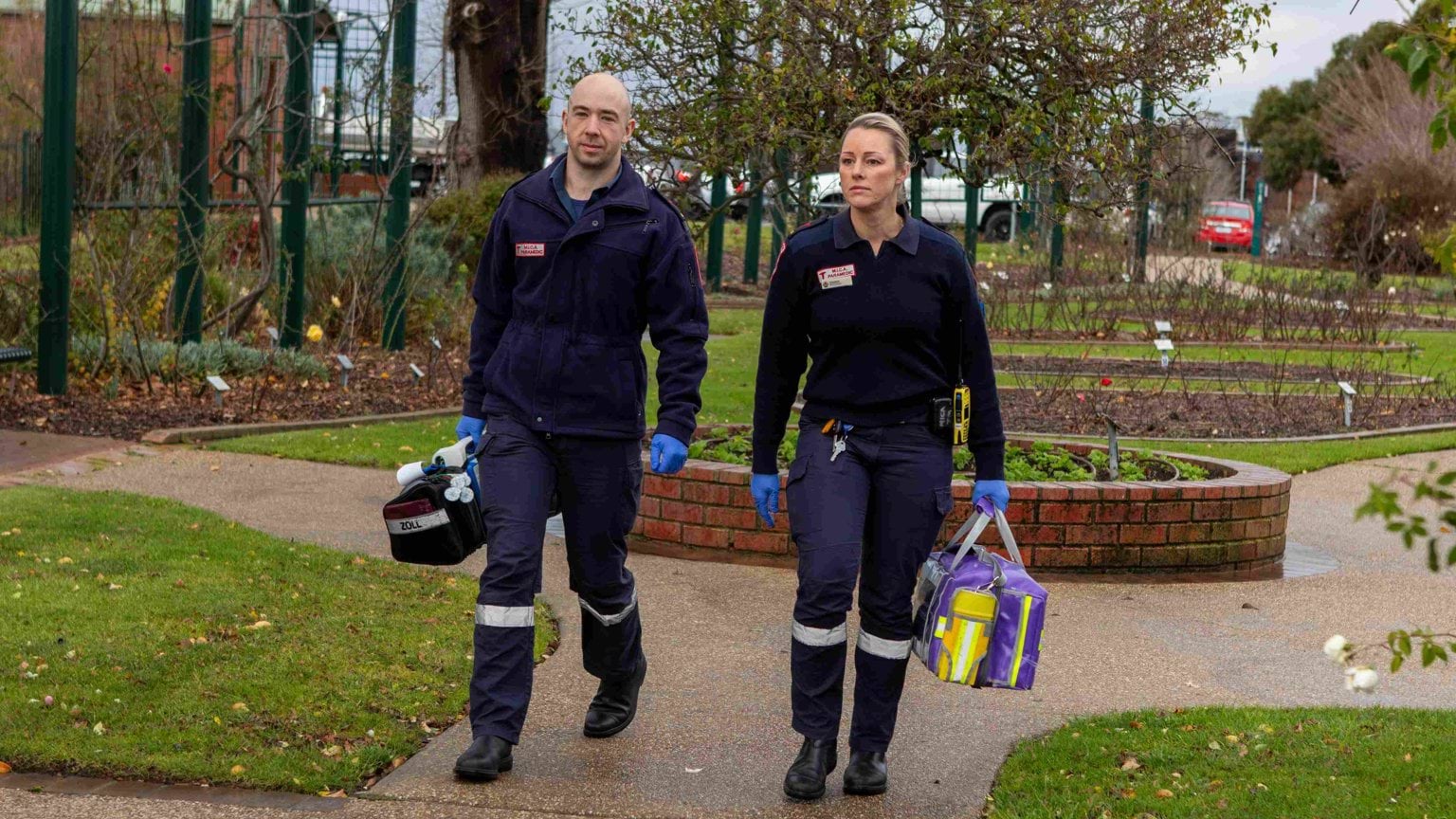
As temperatures rise and Victorians look to spend more time outdoors, Ambulance Victoria is reminding the community to get ahead of the season and update their asthma action plans.
Spring conditions often present allergens and triggers for people living with asthma, and if unmanaged or not prevented, it can develop into a serious health concern.
Ambulance Victoria Director Emergency Management Dale Armstrong said early preparation is key.
"Asthma affects people of all ages and while it can become life-threatening, it is usually well managed when people understand their triggers and have an up-to-date asthma action plan," he said.
"An asthma action plan is one of the most important tools for managing your condition. It helps you recognise worsening symptoms early and know exactly what steps to take."
Common spring triggers include pollen, dust, air pollution and thunderstorms, while indoor irritants such as mould, dust mites and fumes from gas cooktops can also contribute to asthma symptoms.
Thunderstorm asthma is thought to be triggered by a unique combination of large amounts of grass pollen in the air and a certain type of thunderstorm. For people who have asthma or hay fever, this can trigger severe asthma symptoms.
Symptoms to be mindful of include wheezing, shortness of breath, coughing and chest tightness.
"It can be easy to become complacent if you haven't experienced symptoms for a while, but asthma doesn't disappear," Dale said.
"That's why we encourage Victorians to check their medication, review their action plan and book in with their GP before symptoms become a problem.”
Adults should review their asthma action plan at least once a year, while children's plans should be updated every six months.
Asthma can also develop for the first time in adulthood. People experiencing persistent allergy or hay fever symptoms, such as a runny nose, itchy eyes or ongoing congestion, should speak with their GP about appropriate treatment and whether further assessment is needed.
"Taking simple preventative steps now can help people stay healthy and active throughout spring, while also reducing avoidable demand on ambulances and hospitals," Dale said.
"Always follow your asthma action plan, but if you are having difficulty breathing and your reliever medicine is not helping, call Triple Zero (000) immediately."
For non-emergency care and advice, Victorians can access a range of alternate healthcare options, including:
- Virtual Emergency Department (VED), providing free video consultations with emergency doctors and nurses from anywhere in Victoria, 24 hours a day.
- Urgent Care Clinics, offering treatment for a range of non-life-threatening conditions.
- Nurse-On-Call on 1300 60 60 24 for free health advice from registered nurses, 24 hours a day, seven days a week.
- Local GPs and pharmacists, who can provide timely advice, treatment and support for ongoing asthma management.
Victorians should monitor the epidemic thunderstorm asthma risk forecast on the VicEmergency website or app from 1 October – 31 December.
Updated