

- Published:
- Wednesday 2 July 2025 at 12:00 pm
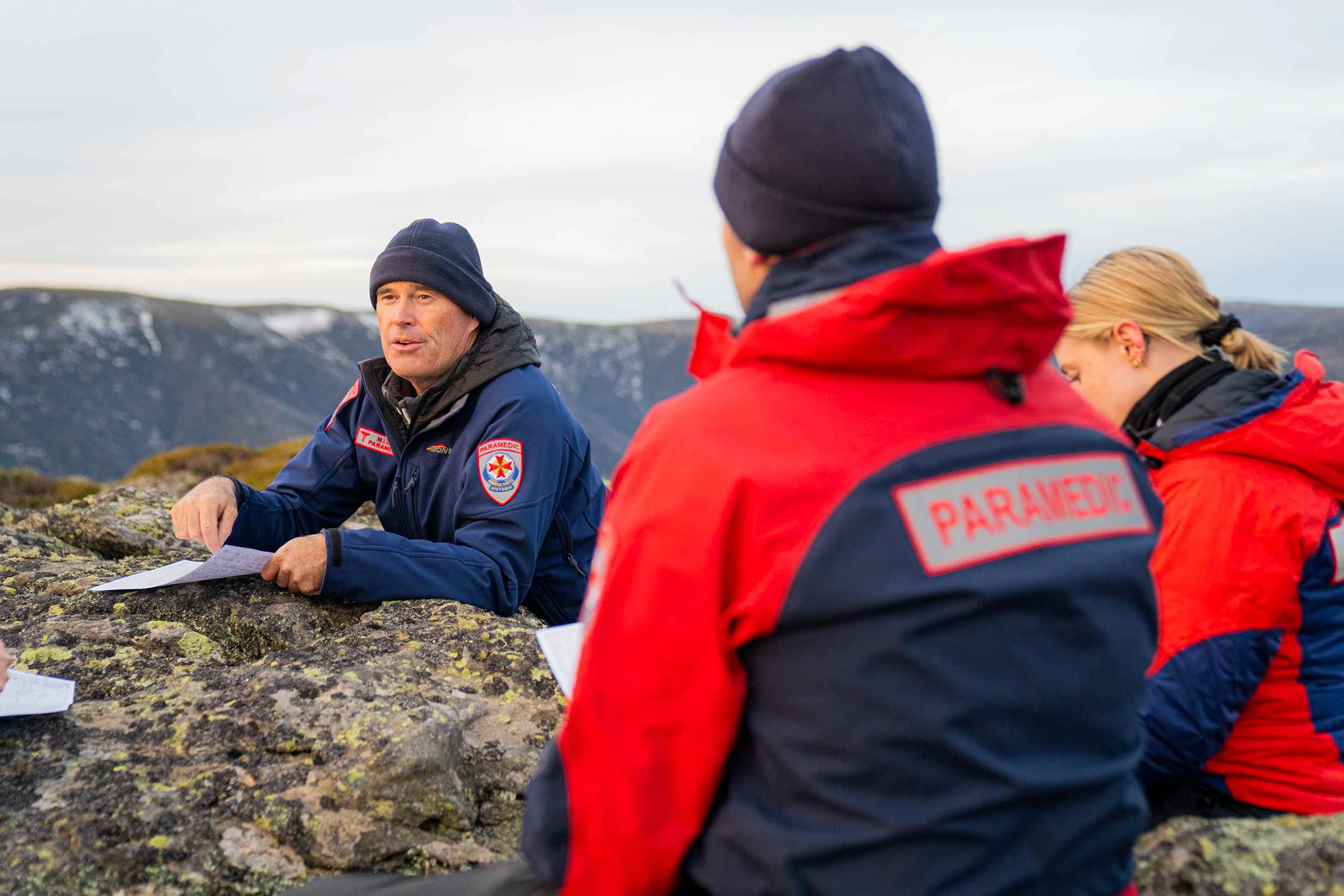
Winter has well and truly set in, and while most are rugging up indoors, Ambulance Victoria crews are heading for the hills.
Recently paramedics, Ambulance Community Officers (ACOs) and specialised members of Victoria Police, the State Emergency Service and several other agencies were deep in the heart of the Alpine National Park for a wilderness response training course designed to push physical limits, sharpen rescue skills, and prepare our crews for Victoria’s most remote and rugged emergencies.
Based at Howman’s Gap Alpine Centre, this immersive, five-day training program is no ordinary course. It’s cold, it’s tough, and it’s exhilarating.
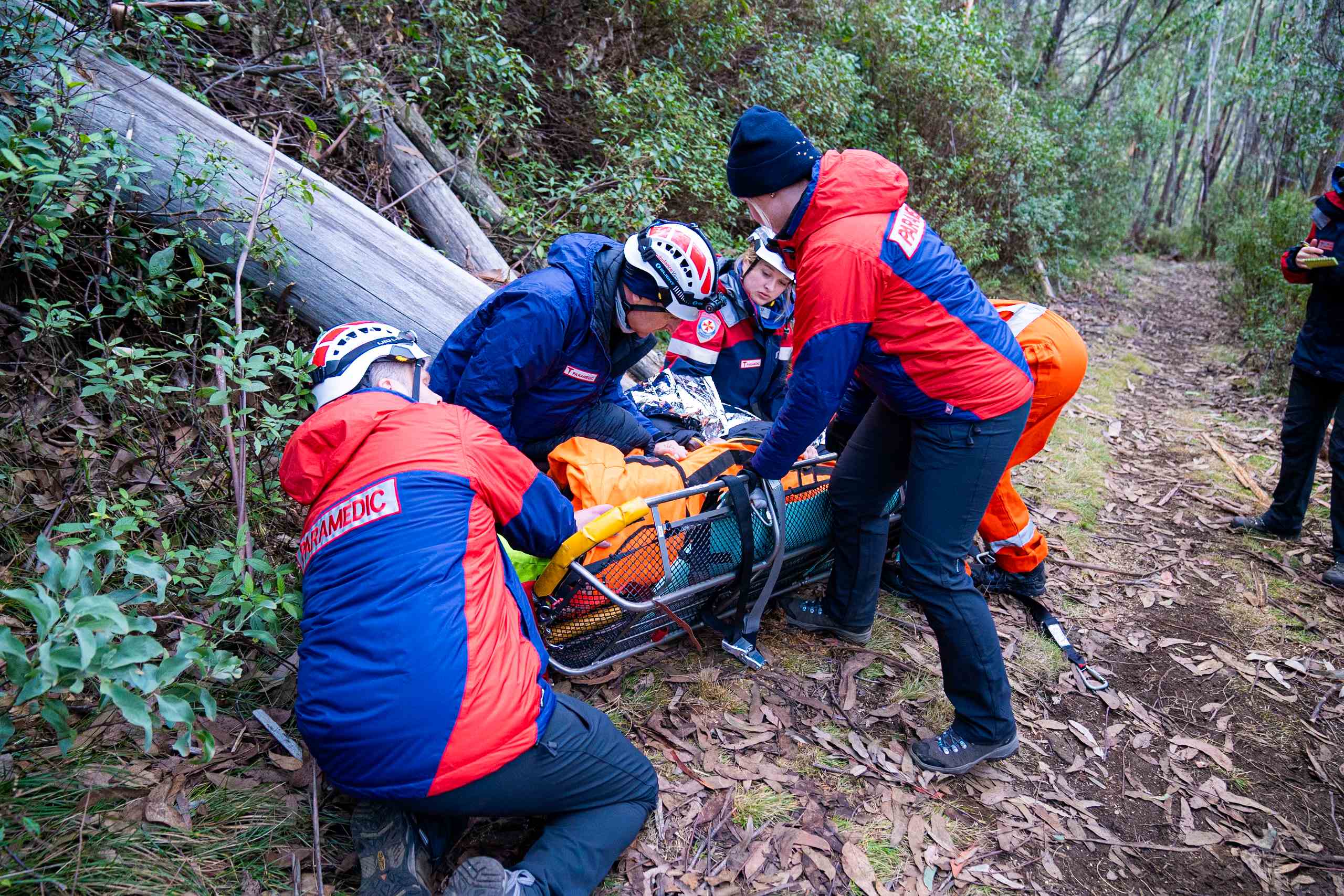
“Wilderness response means being ready to hike in with gear on your back, manage complex patient care in extreme conditions, and get everyone home safely,” said Lavinia Gilliland, MICA Flight Paramedic and Wilderness Response Instructor. “These scenarios simulate what it’s really like when someone’s injured kilometres off the nearest track or caught out by sudden weather changes. There’s no textbook for that.”
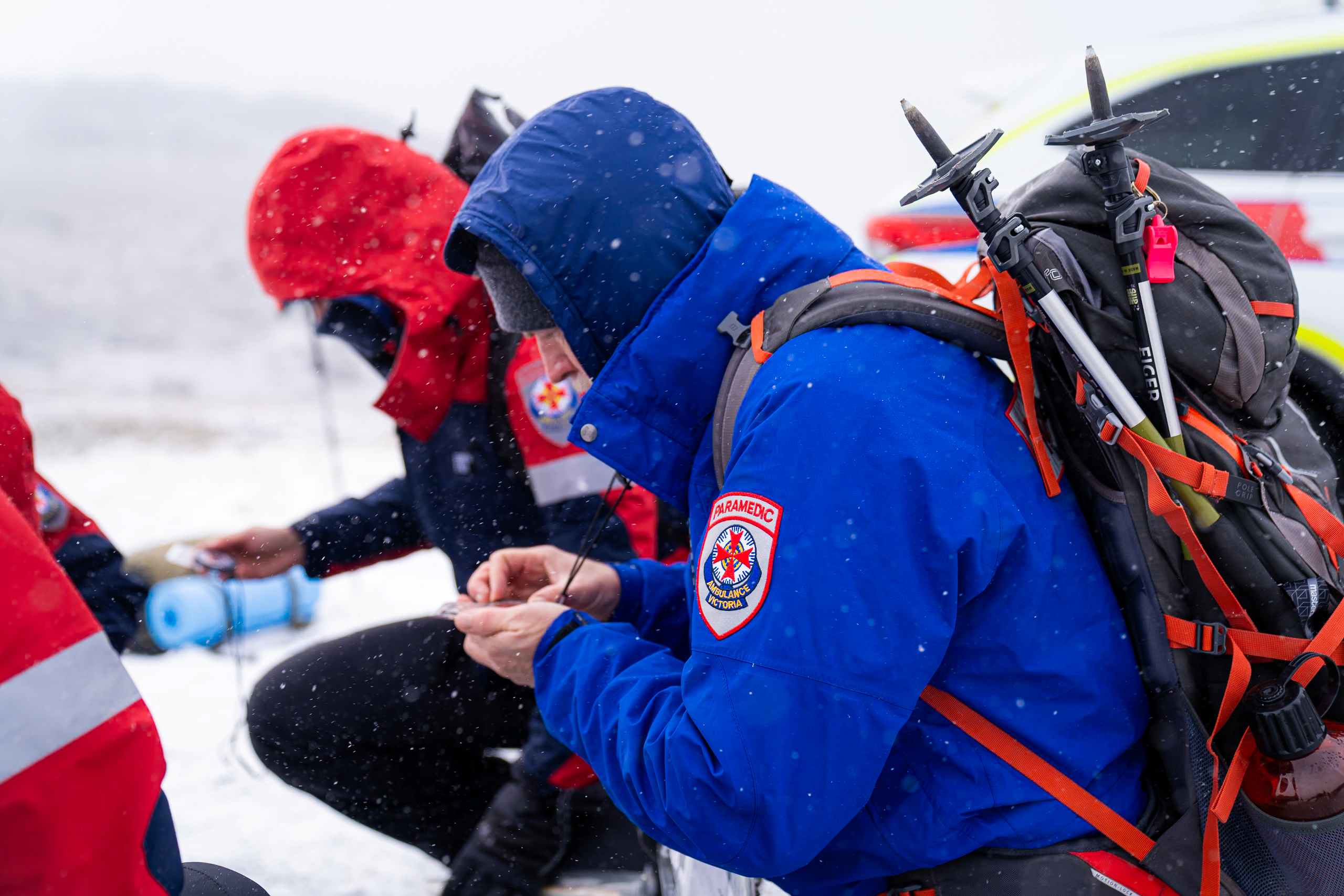
Crews are learning everything from extended patient care and overnight survival to interagency coordination and alpine extrication techniques. They’re also preparing for what comes next: Victorians itching to get outdoors.
“Each winter, we see more people venturing into our stunning high country and backcountry areas—on foot, bikes, skis and 4WDs,” said Braeden Hyland, ACO Team Leader and Wilderness Response Instructor. “But beautiful as it is, it can turn dangerous fast. That’s why we train like this—to be ready when things go wrong.”
With highly trained wilderness paramedics preparing to support those in need, Ambulance Victoria is also reminding adventurers how to avoid needing us in the first place:
- Know your limits and plan for the unexpected
- Carry safety gear, including a charged phone and location tools
- Tell someone where you’re going and when you’ll be back
- Access can take time—so pack like help’s not just minutes away
If you do need help, make it easier for emergency crews to reach you:
- Download the free What3Words app, which helps pinpoint your exact location—essential in vast or unmarked areas
- Have a visible marker if possible, such as a brightly coloured item of clothing or pack
- Stay put once you’ve called for help, unless directed otherwise by Triple Zero (000)
- Keep your phone on and conserve battery, so paramedics can contact you or locate you via emergency systems
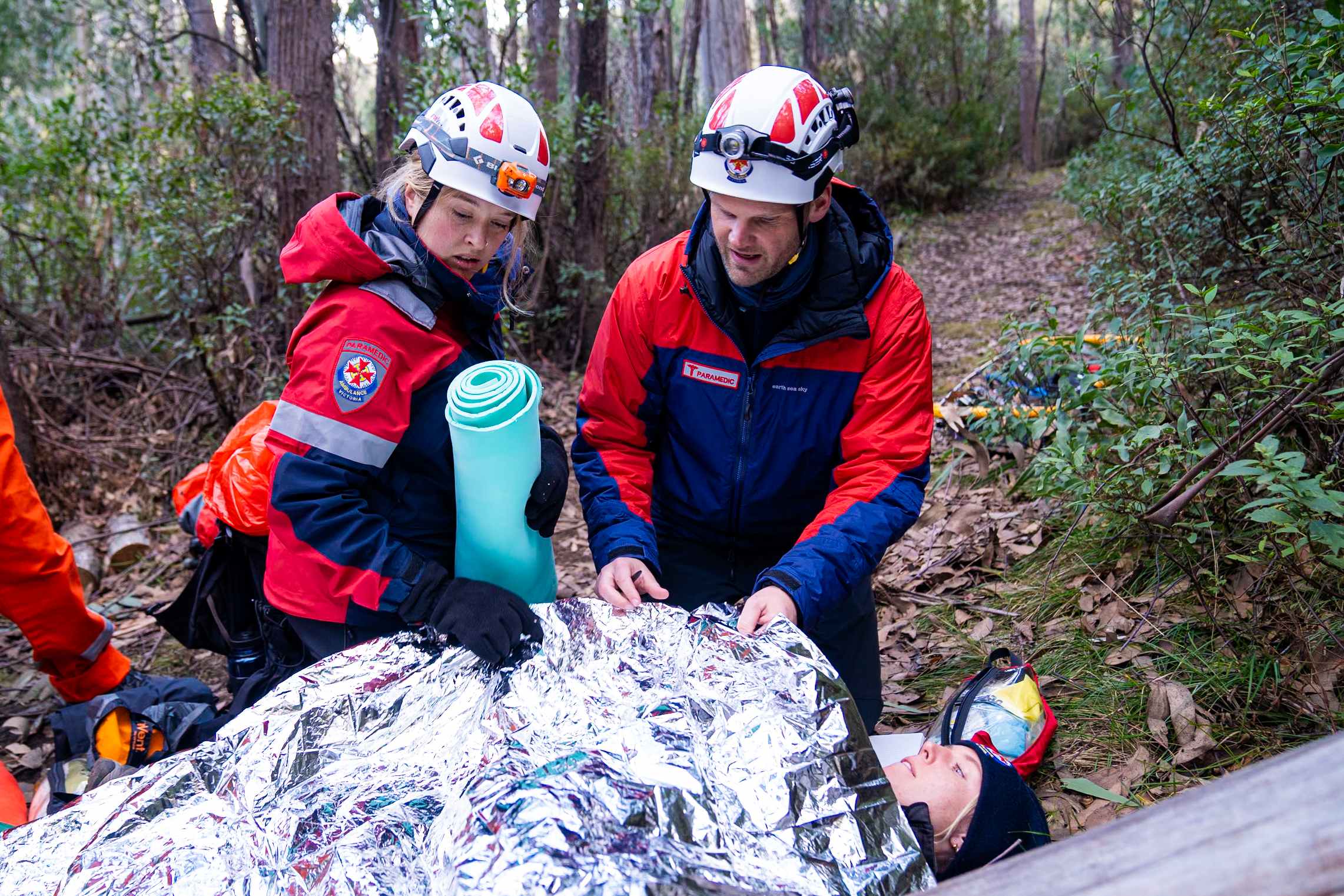
“Our wilderness crews can hike or fly into some of the most remote spots in Victoria—but only if we know where you are,” said Lavinia Gilliland. “Location really is everything when minutes matter.”
Victoria’s wilderness response capability is evolving—and so is the public’s appetite for adventure. From alpine trails to remote bushland, AV’s specialised crews are determined to stay ahead of the curve.
“This kind of training is physically demanding and clinically challenging—but the payoff is huge,” added Lavinia. “It means better care and better outcomes for patients in some of the toughest places imaginable.”
Updated