

- Published:
- Tuesday 10 March 2026 at 8:55 am
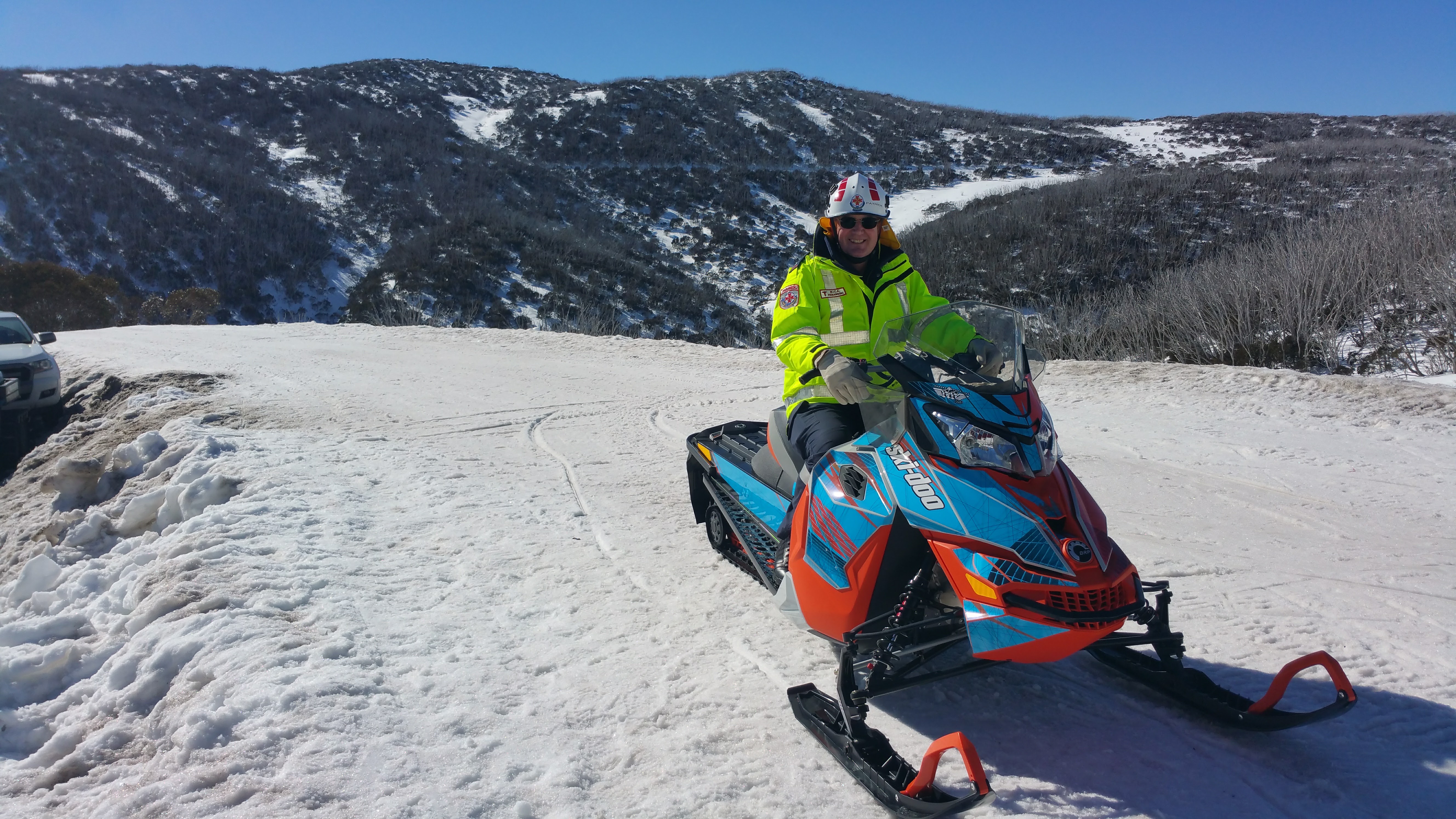
While a lot has changed in the past 45 years, one thing that remains constant is Patrick Gleeson’s love for his job with Ambulance Victoria (AV).
Patrick was just 18 years old and still on his P Plates when he first donned an ambulance uniform back in 1980.
While he considered a career in nursing, it was the unpredictable nature of working in the community each day and helping those in need that excited him about paramedicine.
Patrick started on road in Wangaratta and within a few years had been appointed to the role of Senior Station Officer. After three years in management, Patrick realised his true passion was providing clinical care, which prompted him to move to Metropolitan Melbourne to become a qualified Mobile Intensive Care Ambulance (MICA) paramedic.
“Back then, paramedics were more focused on getting people to hospital rather than providing high-level clinical care in the field, so when I started as a MICA paramedic it was quite a leap,” Patrick said.
“Coming from a truck that only held two drugs and no monitors, it really struck me how heavy all the MICA gear was. The medication box weighed 15 kilograms alone and there was a huge oxygen unit.”
During his time on the MICA 2 crew covering the St Kilda and Toorak areas, Patrick saw a range of confronting cases including shootings, drug overdoses and gangland violence.
“In those days I knew if there was anything interesting going on in Melbourne, it would be part of my shift. For a young fellow working in the city, it was an exciting time,” he said.
“I also got to work out of the fire department in East Melbourne which saw us attend cases like fires, explosions and lift shaft rescues.”
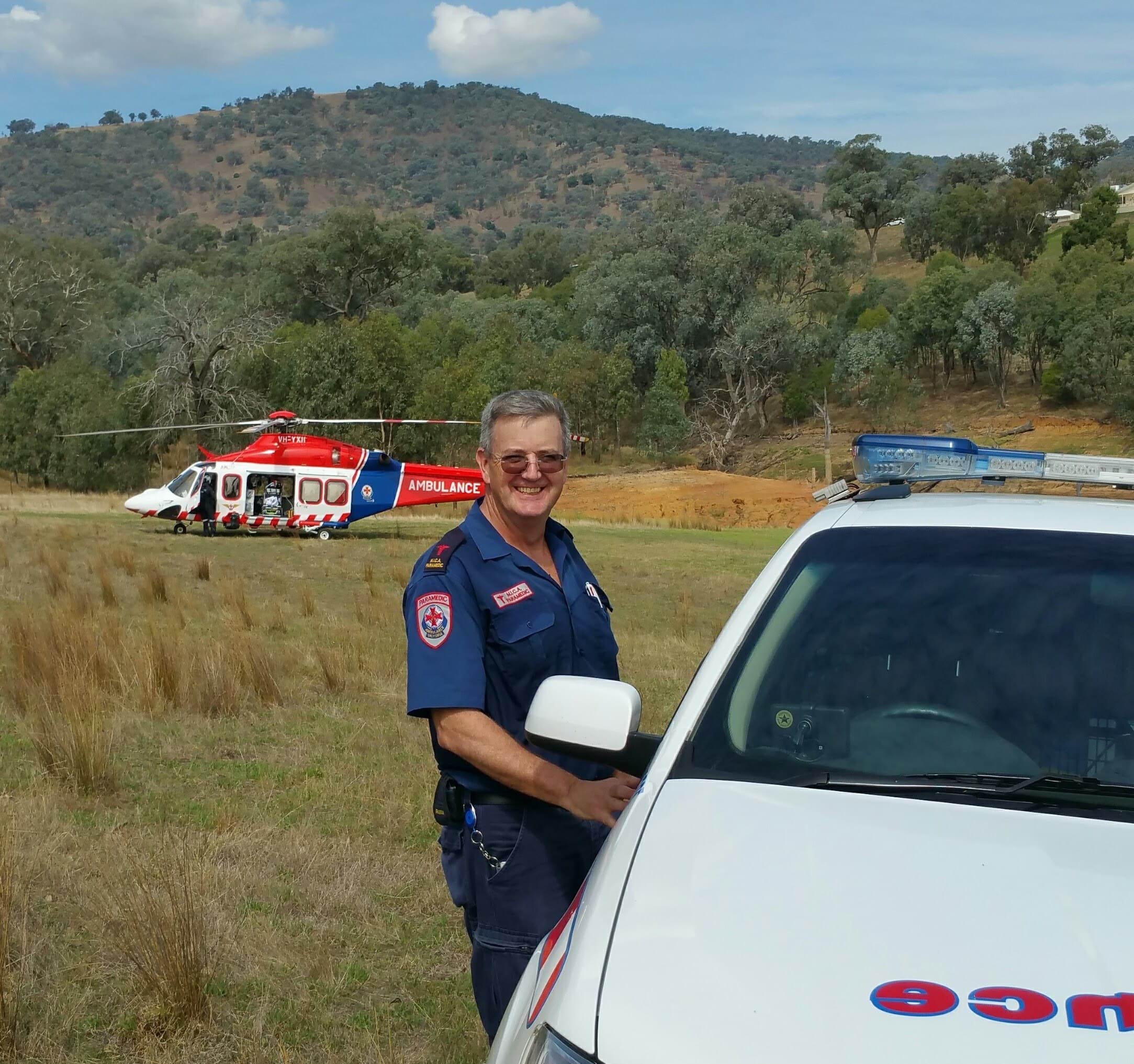
Despite the excitement of the city, Patrick and his wife decided to move back to the country in 1997 to raise their children. But it took a while to adjust to being a rural-based single responder.
“At the peak of MICA 2 we attended 500 jobs a month, while Wodonga was attending 2000 jobs a year across two crews,” Patrick said.
“When you’re doing a MICA course they give you training situations of being by yourself with no immediate back-up and that’s what working in rural was like in those days. It was very different to the city MICA role I had come from.”
Over his extensive career, Patrick continued studying and completed a Bachelor of Business, a Master of Business Administration (MBA) and a PhD. He has also held various roles at AV including Clinical Support Officer, Paramedic Community Support Coordinator and Clinical Practice Guideline Facilitator – but the role he settled into was that of a MICA single responder Paramedic Educator.
“It suits me down to the ground. I love doing the training and clinical work – it is my passion,” Patrick said.
Not surprisingly, Patrick has witnessed a great degree of change during his more than four decades in ambulance.
“When I started on road there were no pagers or mobile phones, so we were dispatched by landline phone, which meant someone needed to know where you were every minute of your working day,” he said.
“The ambulances were also different because there were two beds in the back and no seats. As the attending paramedic, you’d be sitting unrestrained on the second stretcher.
“But the most rapid changes I’ve seen were during the COVID-19 pandemic. The default pre-covid was to take patients to hospital, but now we divert non-emergency patients away from emergency departments.
“This has adjusted the paramedic's clinical assessment, clinical judgement and patient management skills.”
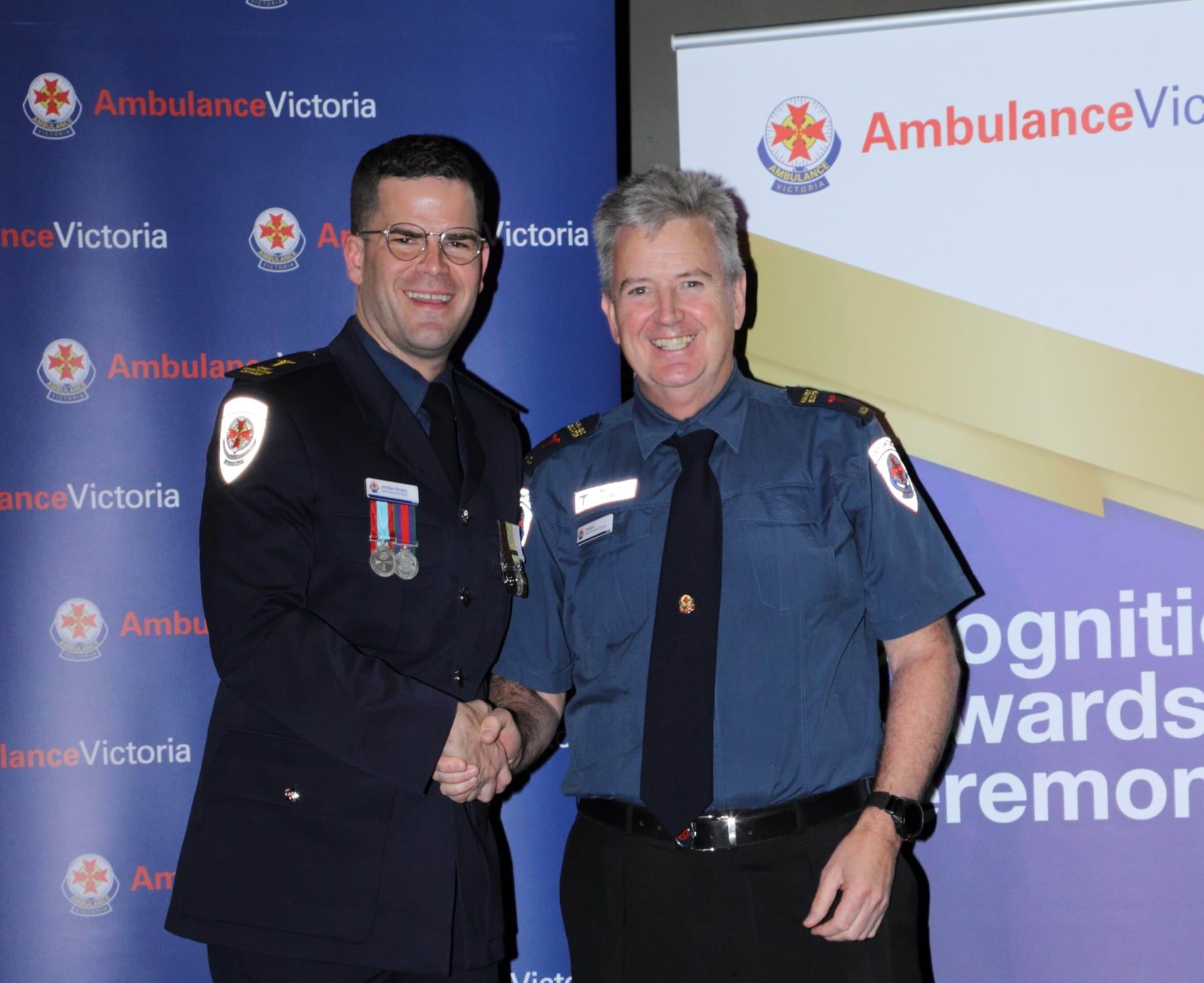
As retirement nears, Patrick said his career has been “intrinsically rewarding”.
“It doesn’t feel like a long time when the work is basically different adventures every day,” he said.
“I’m starting to appreciate that my career won’t go on forever. I know I’m lucky to have enjoyed it this much and I’m cherishing every day I still spend doing what I love.”
Updated